I don't write a lot about hongcha (a.k.a. "black tea"), even though I drink quite a bit of it. Particularly at this time of year, the warming effect of hongcha is very welcome.

Like most Englishfolk, I grew up on the teas of northern India (Assam, Darjeeling) and Sri Lanka (Ceylon). It's no coincidence that the mighty/dirty British Empire used to exist in these places.
One thing that tends to slip under the sub-continental tea radar, however, is the tea region of Nilgiri.
One thing that tends to slip under the sub-continental tea radar, however, is the tea region of Nilgiri.

Nilgiri is way down south, where's it properly hot. Where it's seriously hot. When the Tibetans fled to India, the Indian government allotted them a portion of land in southern India, not too far from Nilgiri. The truly brutal temperatures were so far above that to which they were accustomed, almost all of them died within one season. It's a fierce place.

One of my good friends and colleagues comes from Nilgiri, and he recently went home for a family wedding. Predictably enough, I asked him to bring me back some of the local speciality.
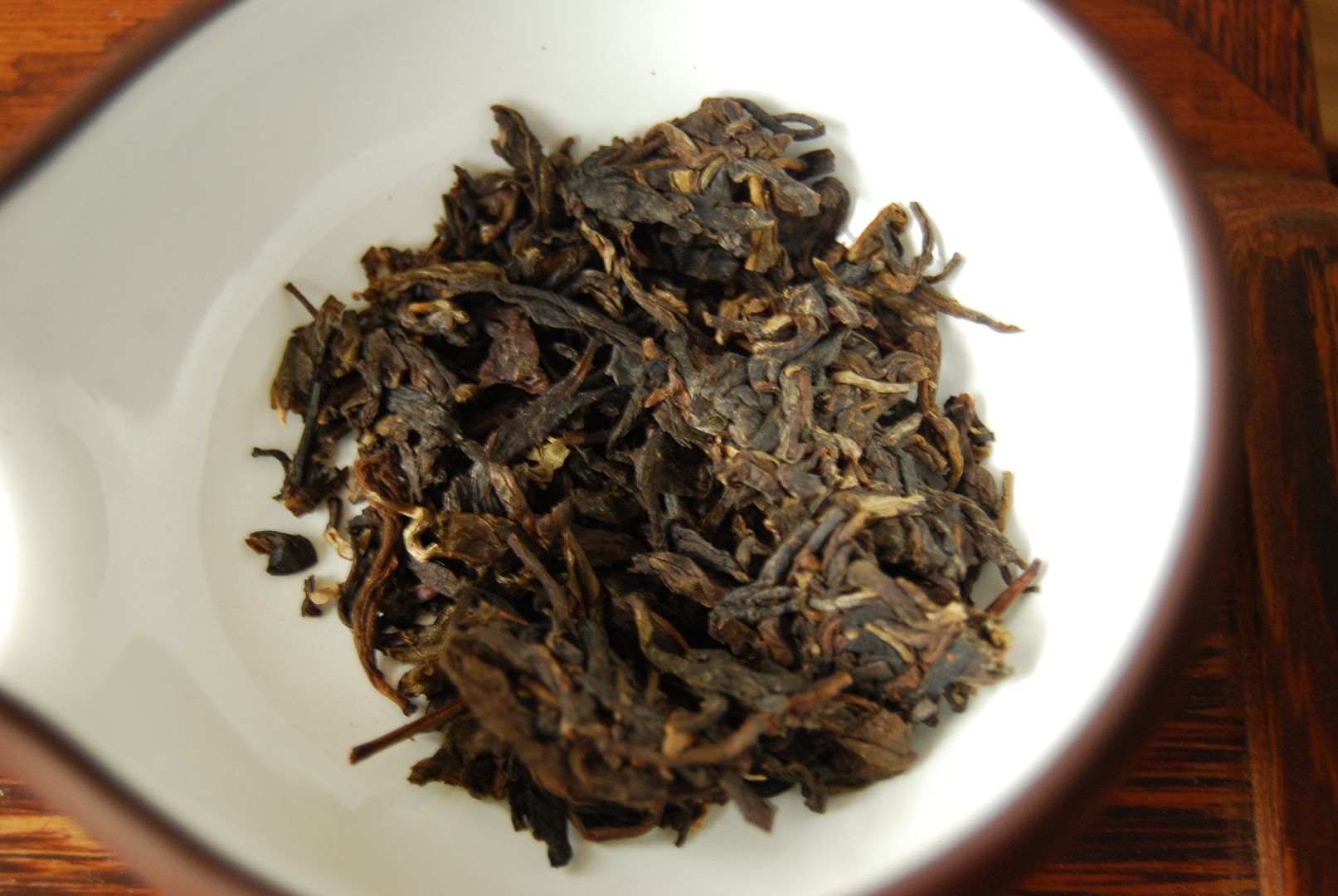
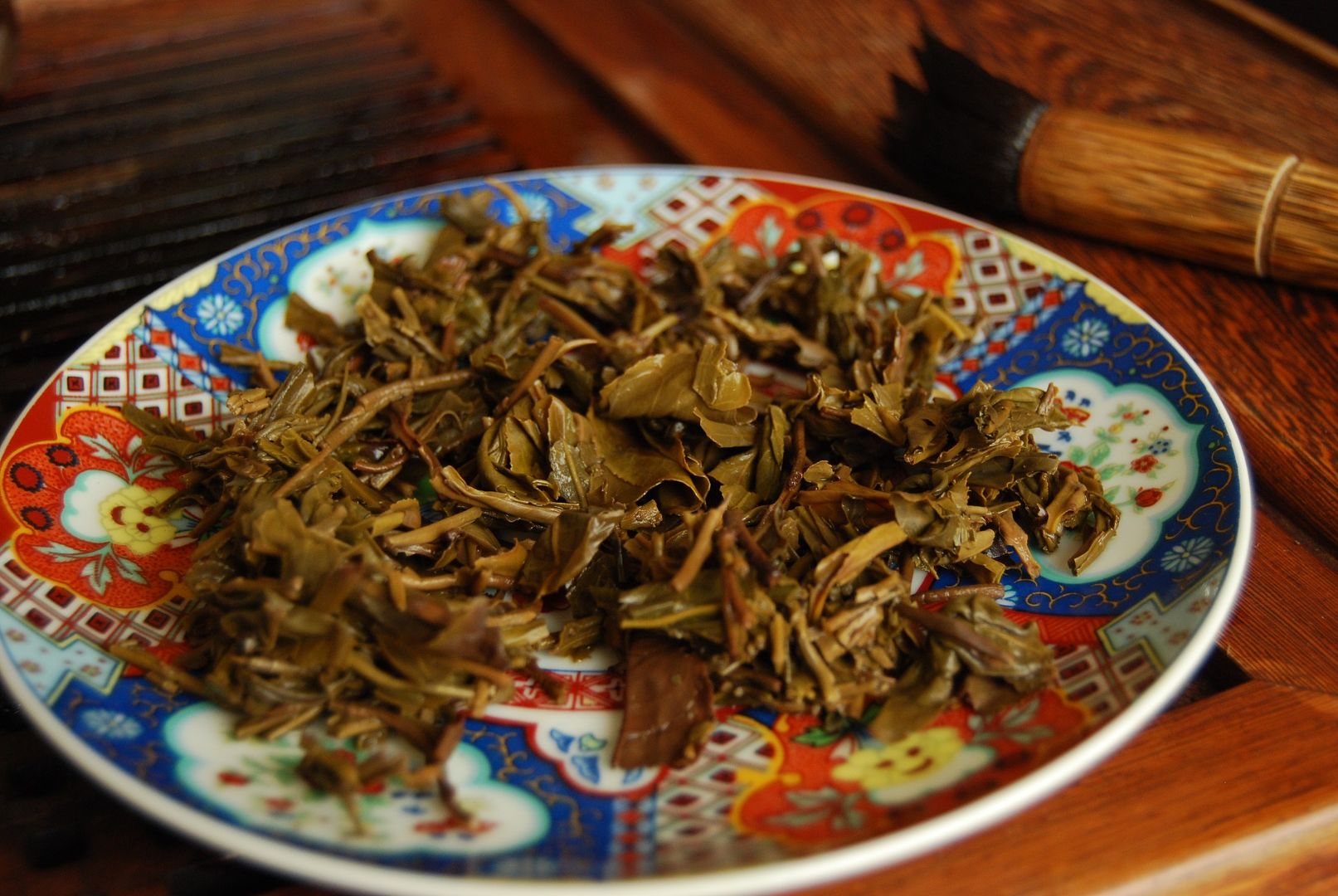
Pictured above, the beautiful leaves of Nilgiri hongcha. They are chopped, but not crushed, and have a fine aroma of sweet summer fruits.
Pictured above, the beautiful leaves of Nilgiri hongcha. They are chopped, but not crushed, and have a fine aroma of sweet summer fruits.

Though I brew most of my hongcha in my office (therefore using an inexpensive, easily replaceable "Xishi" teapot), I occasionally treat myself to a brew at home. Our hongcha pot at home is a lovely example of the same "Xishi" variety, from Teamasters (see "Internet Pots"). It is light, but has a pleasant, solid ring - slightly metallic. It pours like a dream, giving an instant stream of liquid that cuts on and off as if a tap were being opened and closed.

The resulting Nilgiri was smooth and sweet - containing the bitterness of hongcha, but with the fruit-like charms of Indian teas. This southern Indian variety is quite a complex beast, containing a range of dark scents that remind me of sultanas and smooth spices.
In many of the typical Western blends that we find in supermarkets, Assam is added for sheer potency, Ceylon is added for citrus notes, African leaves are added for body-mulch, and Nilgiri used for aromatic complexity, and spiciness in the body. To drink actual Nilgiri for the first time, in its unadulterated form, is an education and a pleasure.
In many of the typical Western blends that we find in supermarkets, Assam is added for sheer potency, Ceylon is added for citrus notes, African leaves are added for body-mulch, and Nilgiri used for aromatic complexity, and spiciness in the body. To drink actual Nilgiri for the first time, in its unadulterated form, is an education and a pleasure.
Cough though I suspect that the lovely velvet bag (pictured top) is of more interest to my dear wife than the tea cough
The hot slopes of Nilgiri seem far away from this chilly old country...