10 July, 2013

Little Dragon

Little Dragon


little dragon
you may look like a boy
but I'm not fooled

08 July, 2013

If the Shu Fits

The Shu is on the Other Foot.

I could go on and on.  The puns, they write themselves.


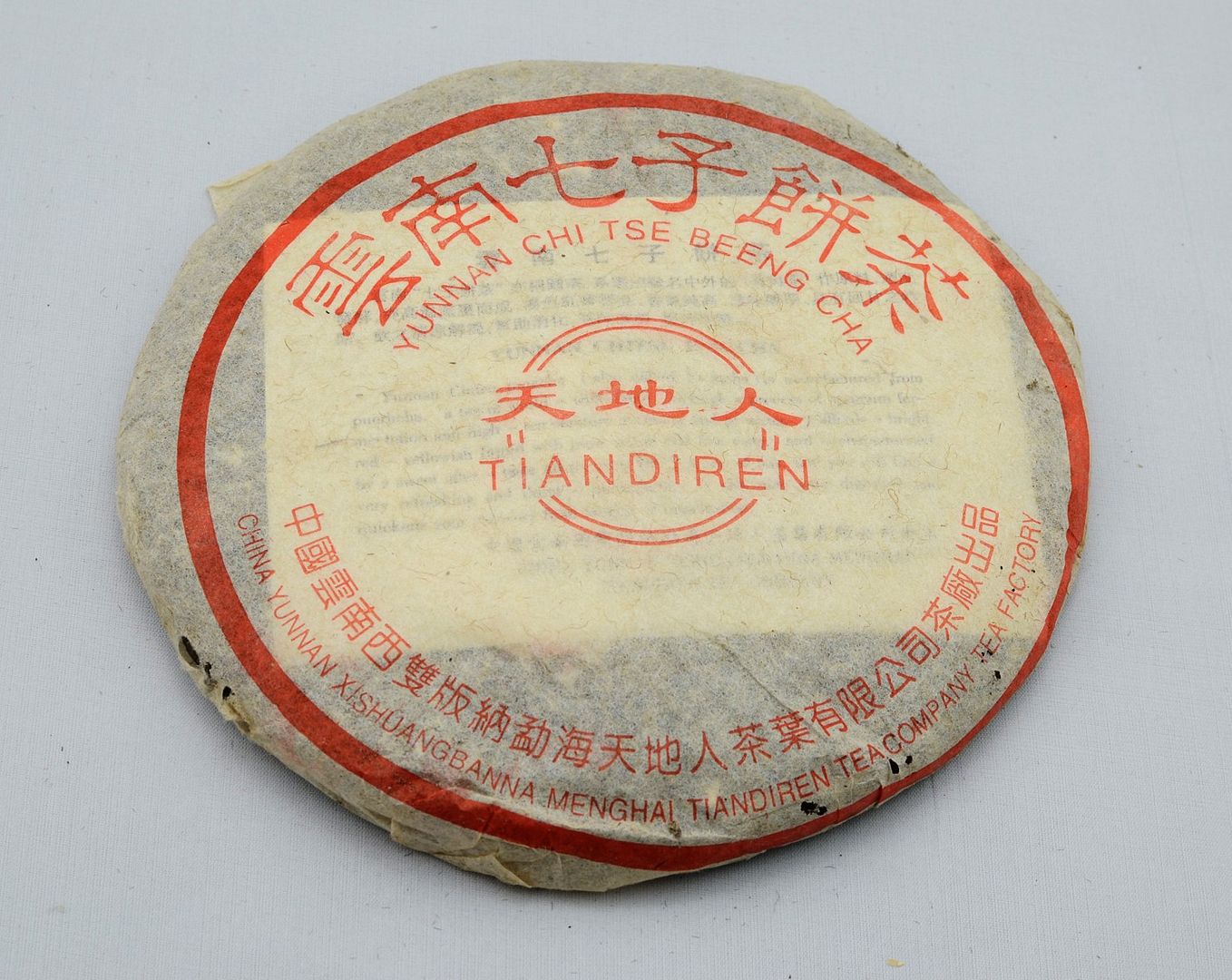
2005 Tiandiren Shupu


I have a secret love of shupu, although I drink it slightly less than shengpu (95% of my consumption) and hongcha (4.5% of my consumption).

I was contacted by TG, a teachum from back home in my native East Anglia, a place famous for sheep, a lack of electricity, in-breeding, sheep, and once being home to Boadicea and the Iceni tribe. There is also a minor university there of some dubious repute. 

Oddly enough, all those sheep made it the most populated and wealthy of all English provinces at one time, but that was in the medieval era.  Amusingly, my grandfather's farm is mentioned in the Domesday Book of William the Conqueror (1086 a.d.).  The central structure of his farmhouse is three centuries older than the entire nation of the USA.  Suffice to say that East Anglia is a strange old place.


2005 Tiandiren Shupu


Drinking this tea, I was reminded of just how scrumptious shupu can be.


2005 Tiandiren Shupu


The first of two cakes for evaluation today, at the request of TG, is the 2005 Tiandiren from white2tea.

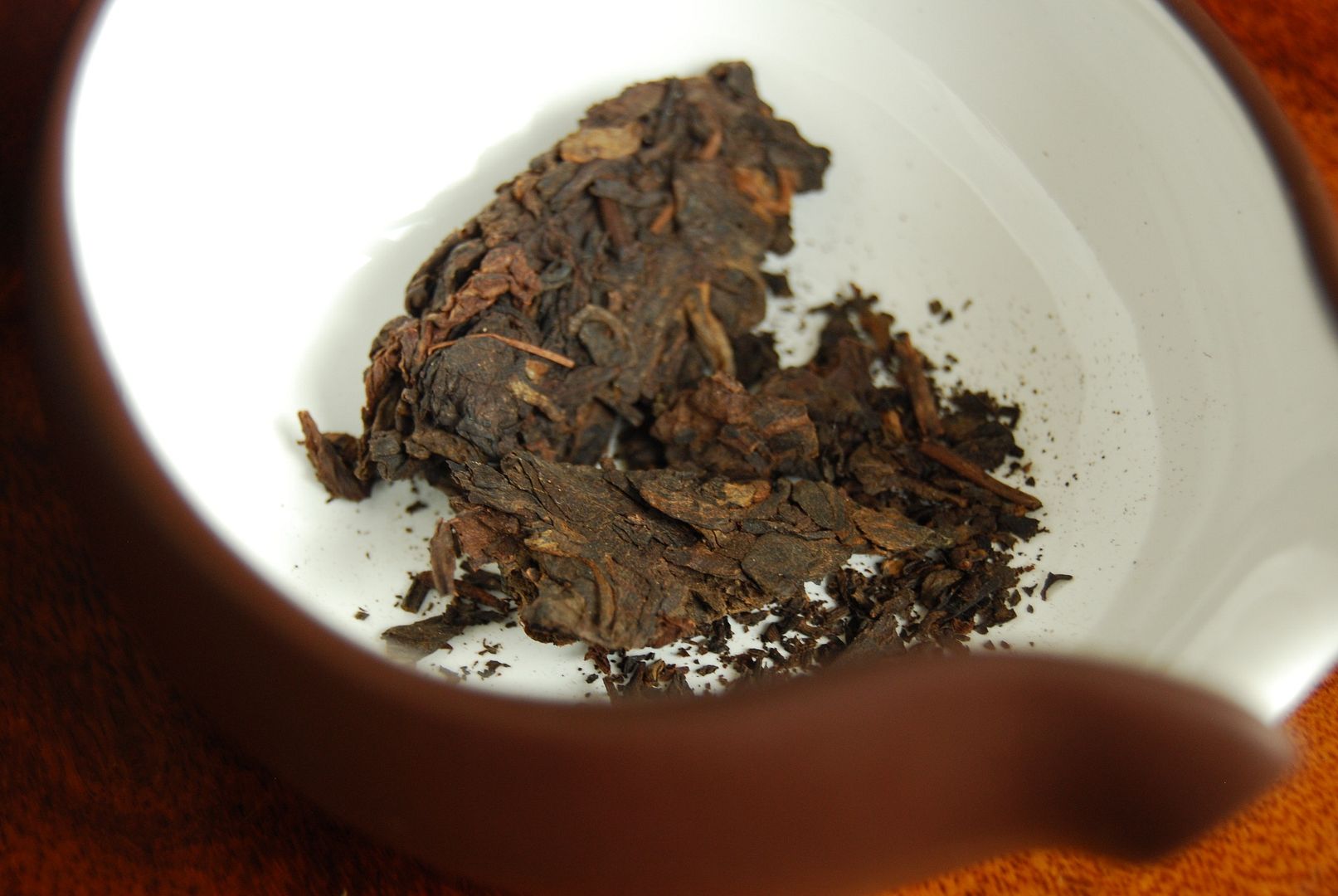
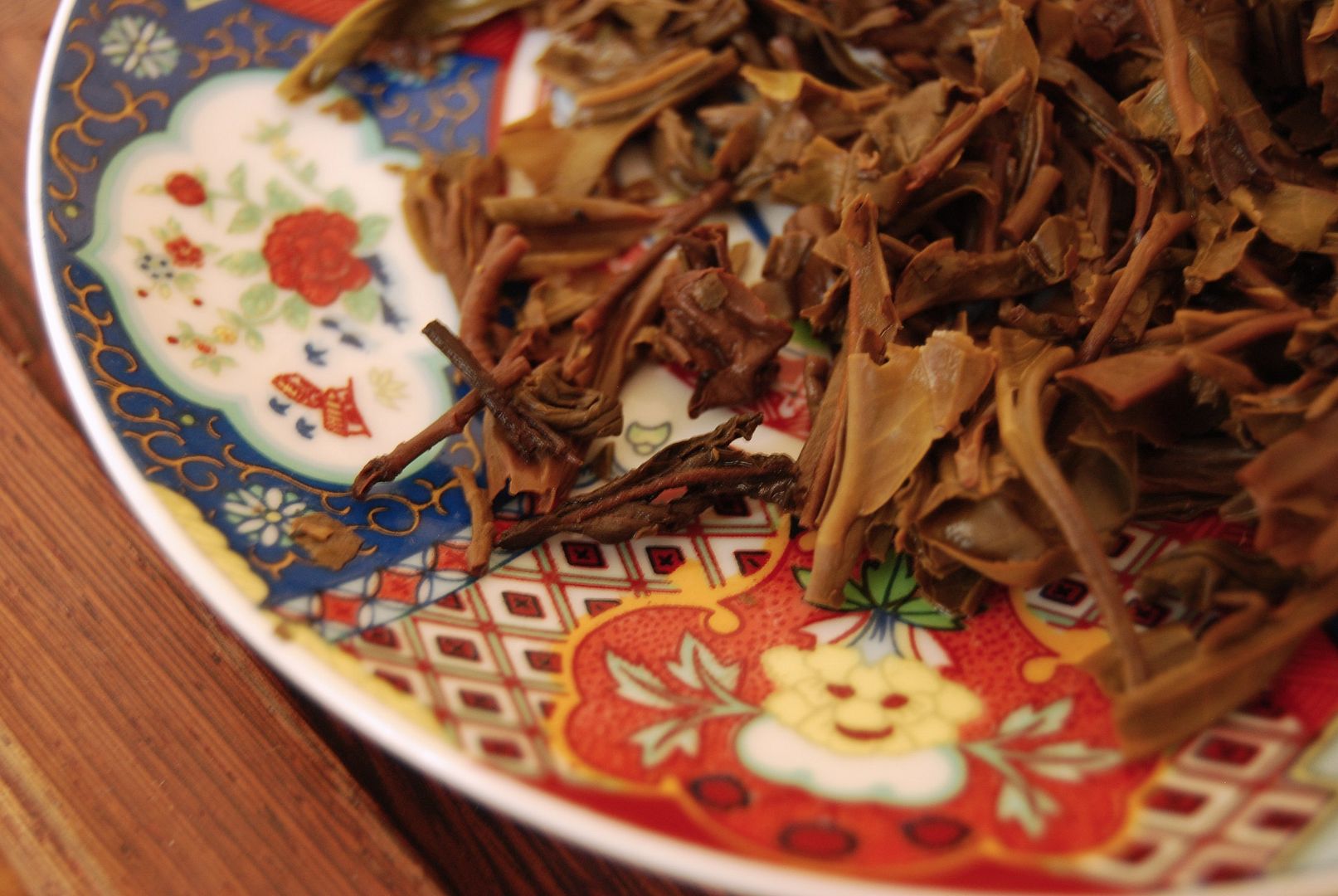
The leaves, pictured below, look red and exhausted.  The blend includes all manner of grades of leaf, including tons of huangpian [yellow flakes].


2005 Tiandiren Shupu


TG was somewhat uncertain as to the quality of these two shupu cakes, and was after a second opinion.  My opinion of this 2005 Tiandiren is that it is pretty solid.

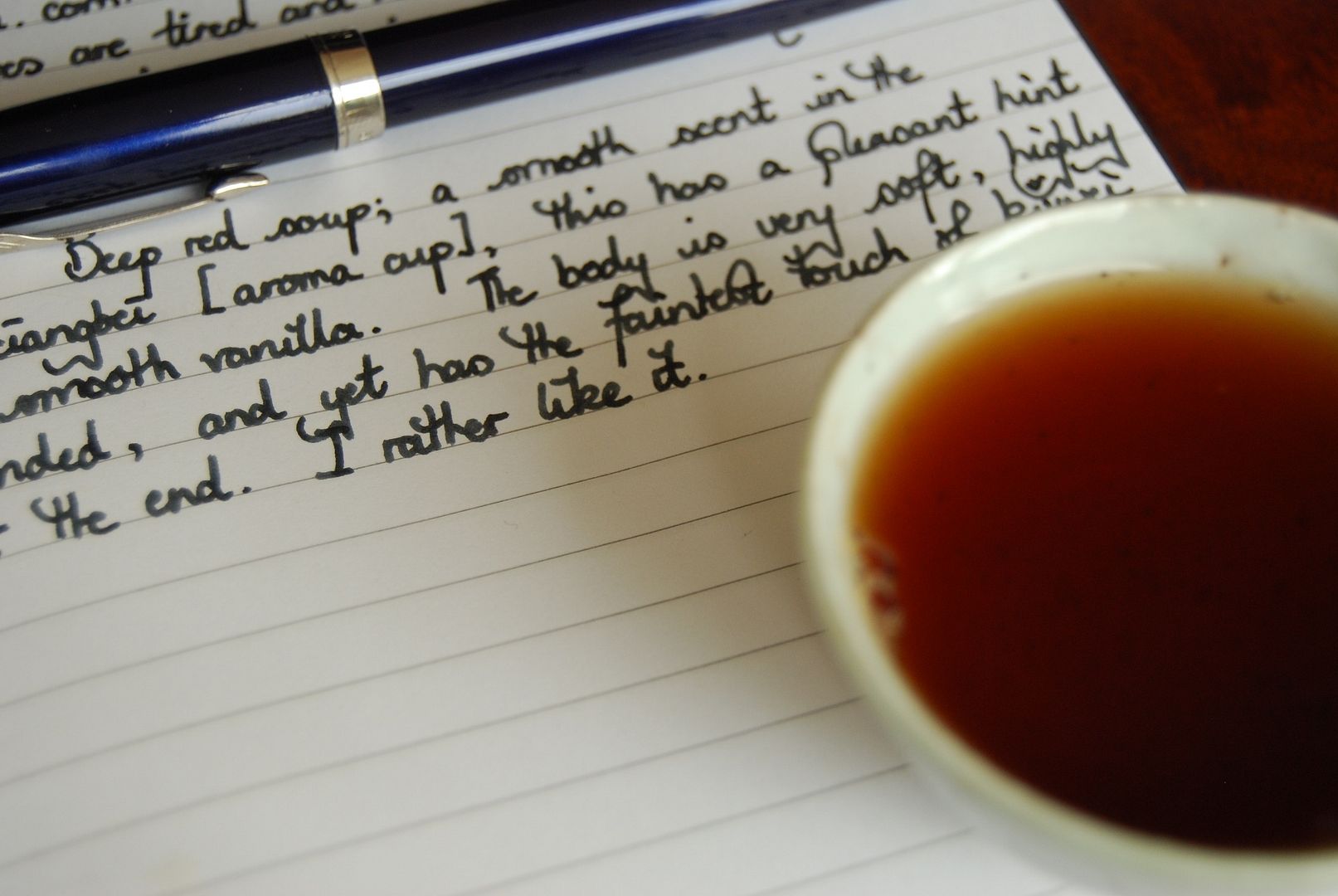
The soup, pictured below, is a watery red - the cake takes its time to get going, and never has very much strength, perhaps because it is simply so mellow.  However, that is in its favour: it is smooth, so very well-rounded, and has the permeating sweetness of a pleasant vanilla throughout it.


2005 Tiandiren Shupu


This is just $22, which is a reasonable price for this stable and pretty, if tired, little shupu.  It makes no great claims, and is therefore very satisfying for such an appropriate price.  As PM writes in his notes at white2tea.com, it has precisely the same character of red Chinese dates.  It is uncanny.

I could drink this slow, tired, humble, but lovely shupu all day.


...and yet time and tide wait for no man.  Instead, we change gear and check out the 2003 Fuhai "7576" cake:


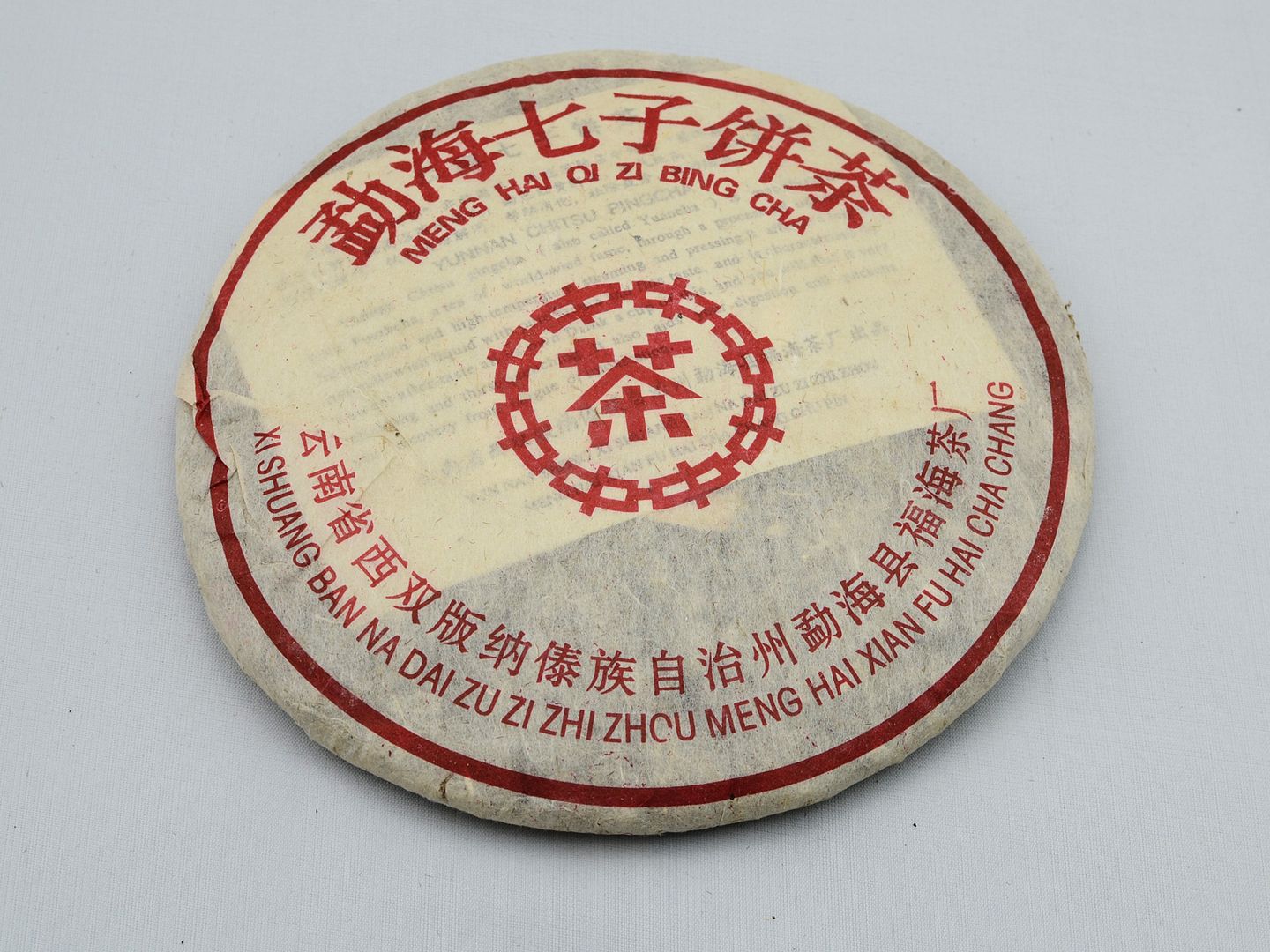
2003 Fuhai 7576 Shupu


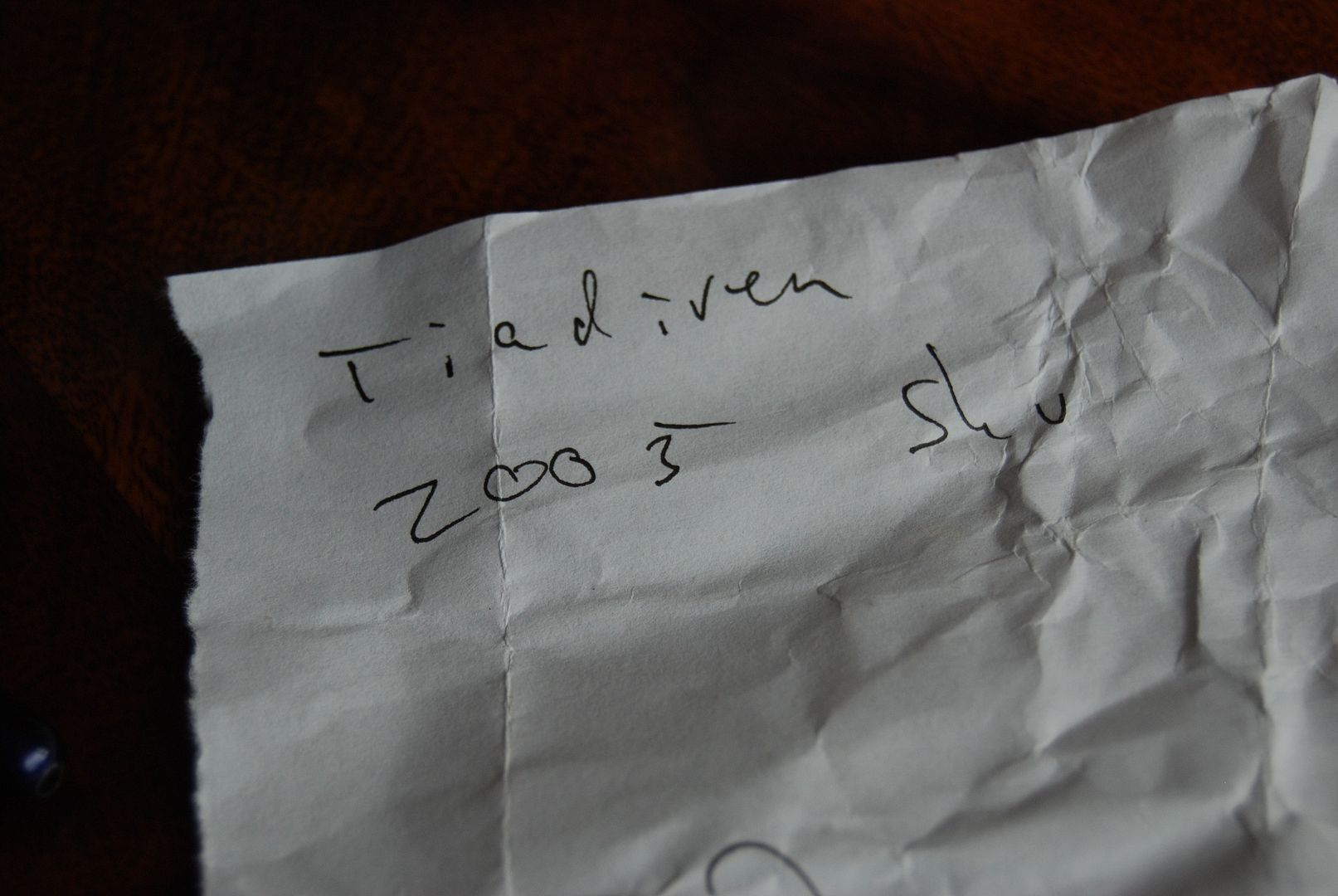
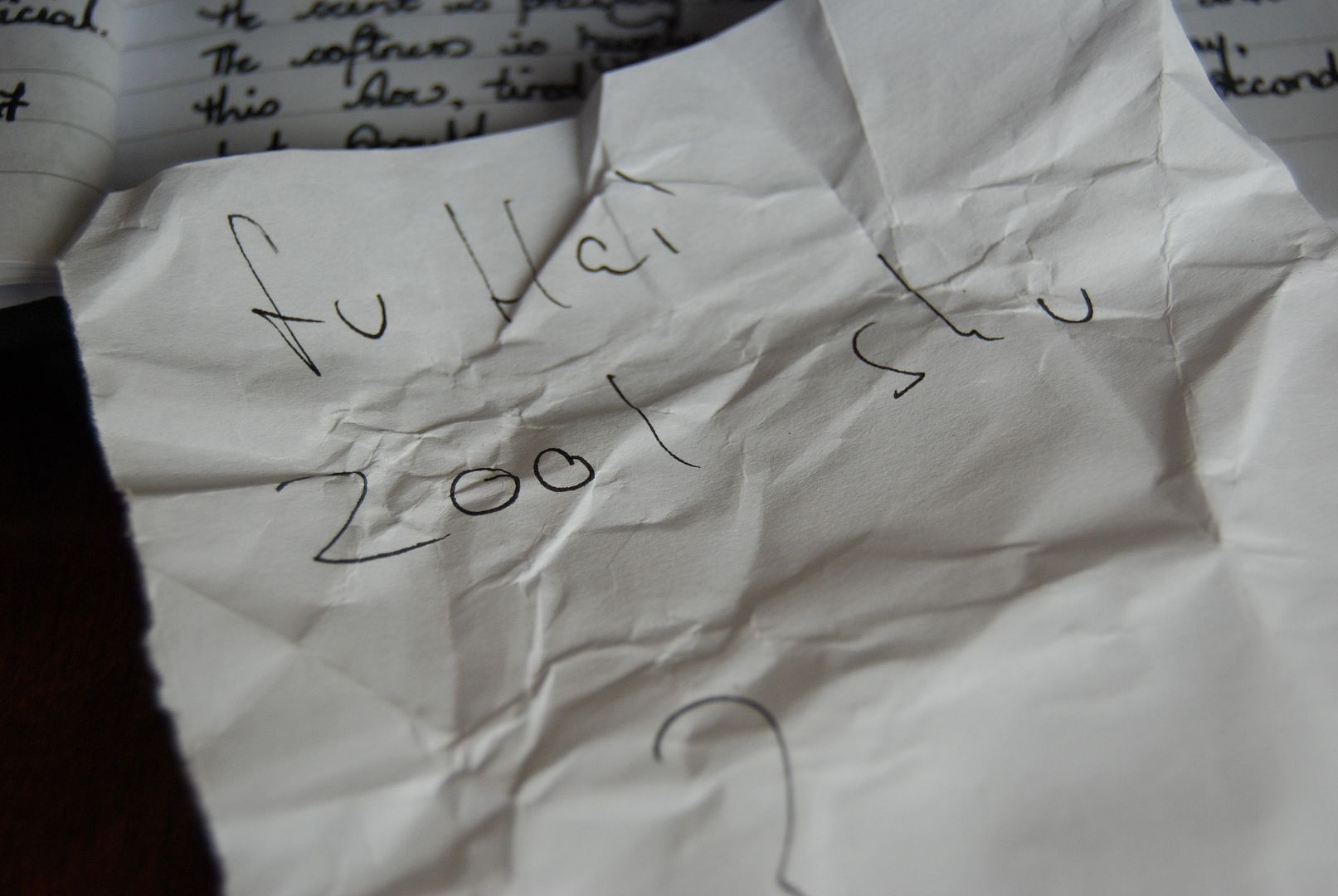
At least, I think it is the 2003 - TG's labelling below says otherwise, but I cannot see anything else for sale at white2tea.


2003 Fuhai 7576 Shupu


In contrast with the 2005 Tiandiren, this 2003 Fuhai is much more lively in the appearance of its dry leaves: they are not dusty red, but black, shiny, and alive.


2003 Fuhai 7576 Shupu


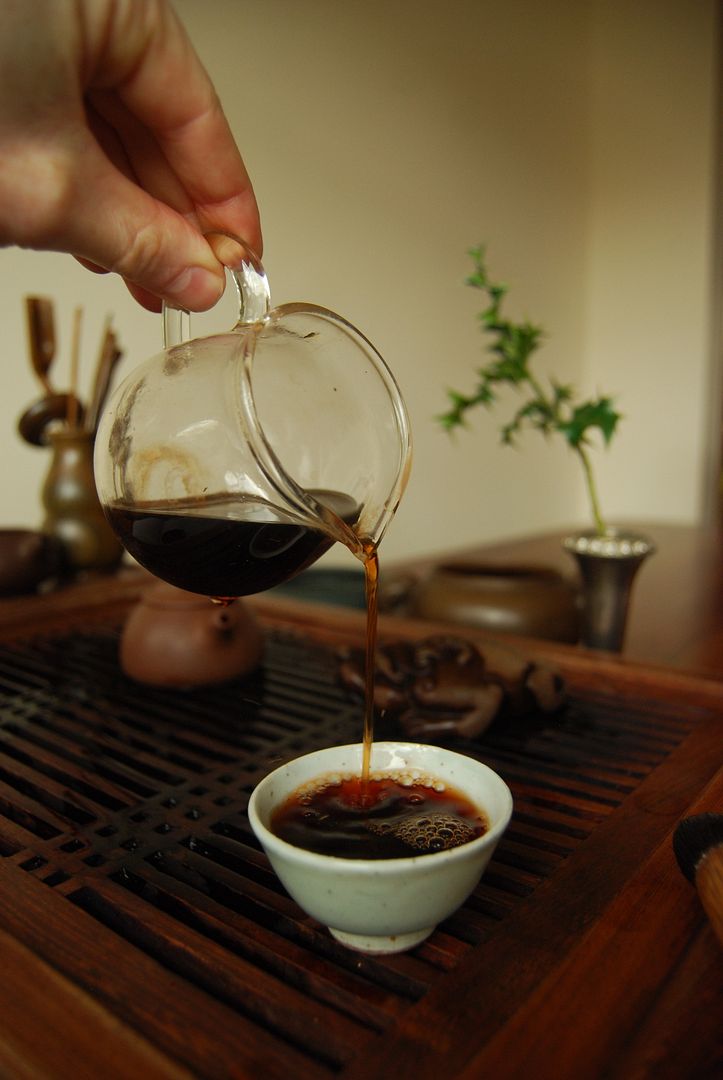
The photograph below probably tells you everything you need to know about this cake - and this was from the first infusion...


2003 Fuhai 7576 Shupu


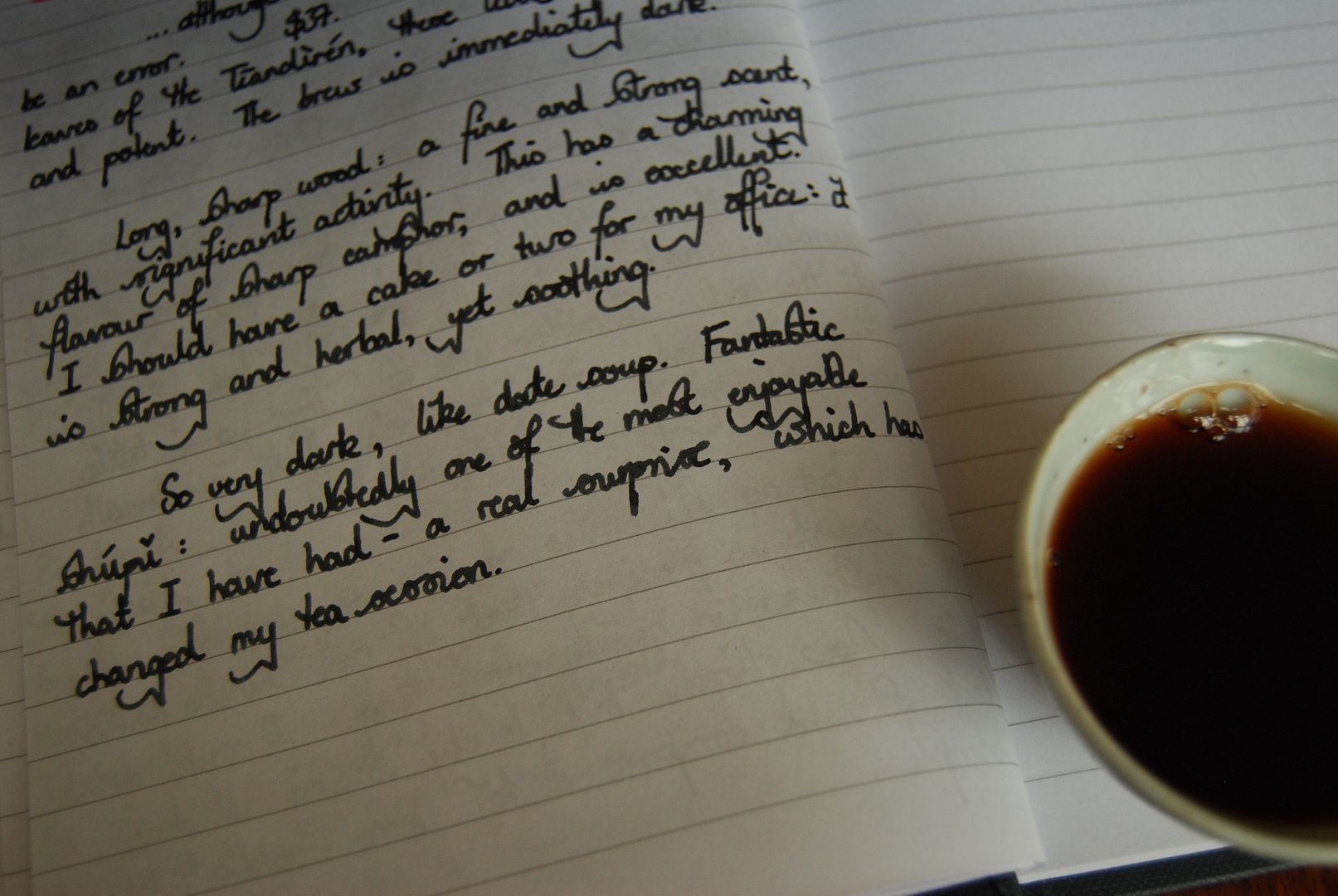
Long, sharp, wood: a fine and strong scent, with significant activity.  This has a charming flavour of sharp camphor, and is excellent.  I should have a cake or two for my office: it is strong and herbal, yet soothing.

So very dark, like date soup... this is fantastic shupu: undoubtedly one of the most enjoyable that I have had - a real suprise, which has changed my tea session.


2003 Fuhai 7576 Shupu


I love its potency, its sharpness, and, above all, the dense warmth that settles on the stomach with all of the soothing characteristics of a hot-water bottle.  It is charming, and I must have some.


2003 Fuhai 7576 Shupu


This 2003 Fuhai sells for $37, which is a decent price.  As PM notes, it is already a decade old, and yet I think it has some potency that could allow it to settle even further.  I admire its simple balance of straightforward shupu warmth with just a little energy and kuwei remaining from its original state.  A comforting treat.

In summary, I would encourage TG to enjoy both of these cakes!  I certainly did.

05 July, 2013

Speculation: The Spectacular Spectacle

Picture the scene: you live in a country where investments are not all that easy to make, inflation is increasing, and where you have accumulated a modest sum on which you would like to see some return greater than that offered by the (state-run) banks.  What do you do?

You invest in commodities that promise increased prices.  Ideally, you would like to invest in a commodity that one can "corner" without having to invest truly vast sums, such that smaller units of investment can be deployed.  Yet which commodities?  

Mainland Chinese have speculated in this wise on multifarious commodities, even down to the most mundane: garlic was the target of speculative investment, for example.


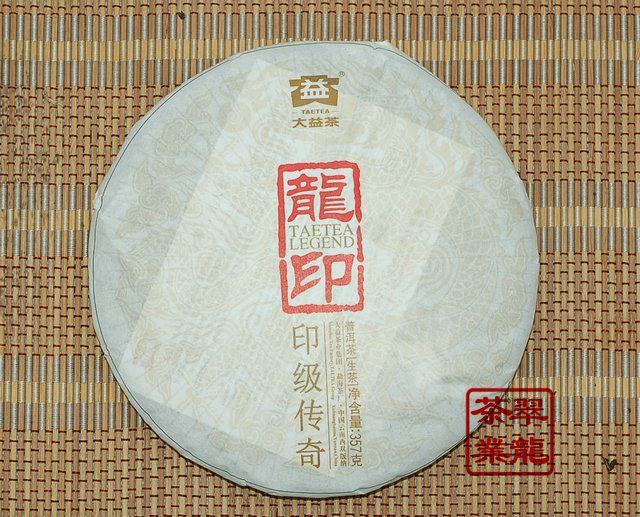
2012 Dayi Longyin
2012 Dayi "Longyin"


Dayi "special" cakes are, for good or ill, a current target of such speculative investment.  While the pu'ercha boom of 2006 was naive, in that the entire market was subject to speculation, the Dayi "specials" interest occurs on a much more limited scale: one can buy, for example, much of the supply of 2012 Dayi "Longyin" and thereby "corner" this commodity, while the scatter-gun approach of 2006 required much more serious investment.


2012 Dayi Longyin


There is one thing that most speculators have in common, and is a point of departure for you and me, Gentle Reader: we, as drinkers, actually care about the tea, rather than its price. 

I am reminded of Oscar Wilde, from The Picture of Dorian Gray: "Nowadays, people know the price of everything and the value of nothing."  I rather like Lord Henry's character.

So, then, let us consider its value.


2012 Dayi Longyin


This "Longyin" means "Dragon mark", but it is not the "Dragon Year" cake from the Dayi series commemorating each animal year.  

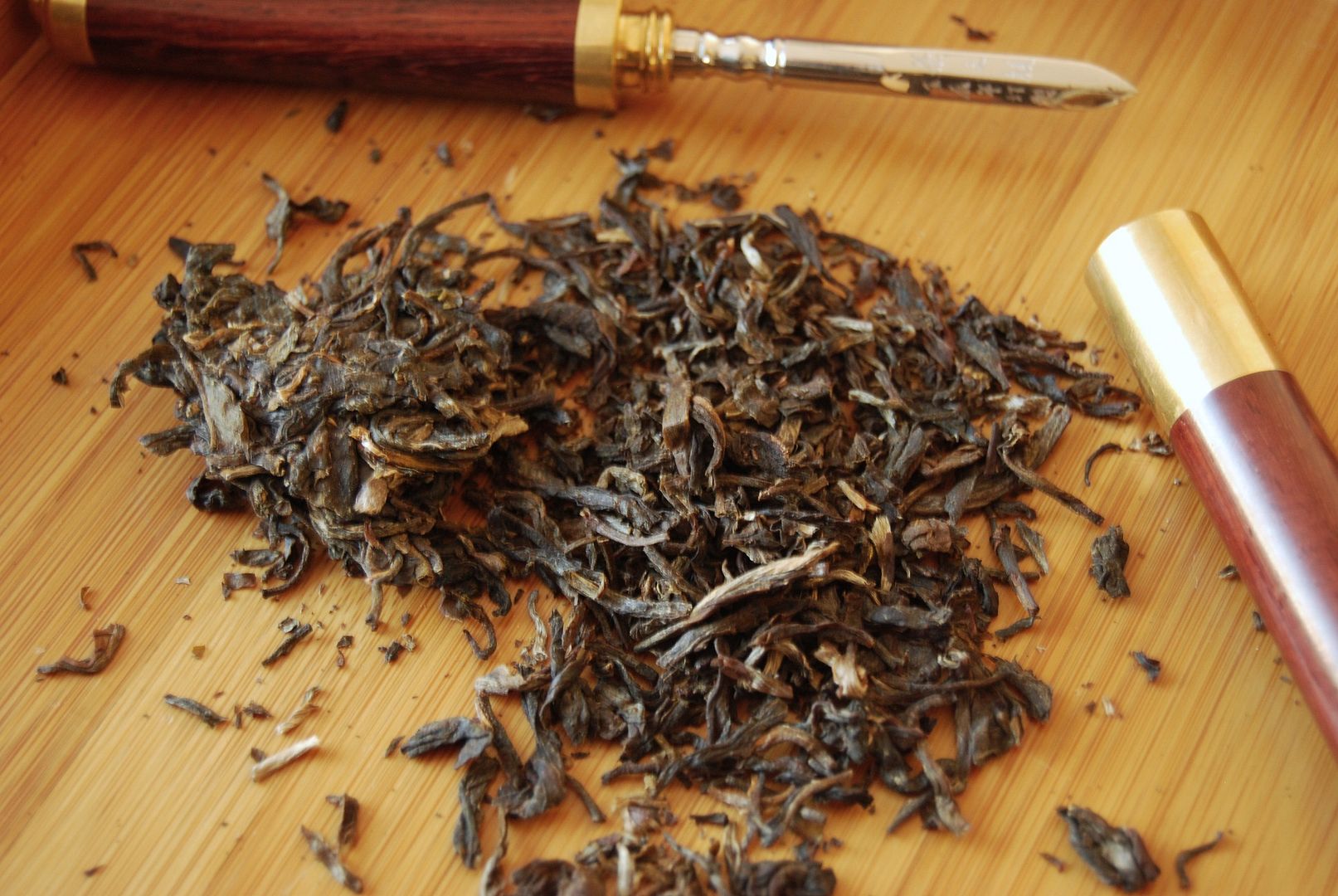
Immediatly, we know that we are faced with Dayi tea: it is plantation, it contains small- and medium-sized leaves, and its smells straightforwardly fresh and sweet.


2012 Dayi Longyin


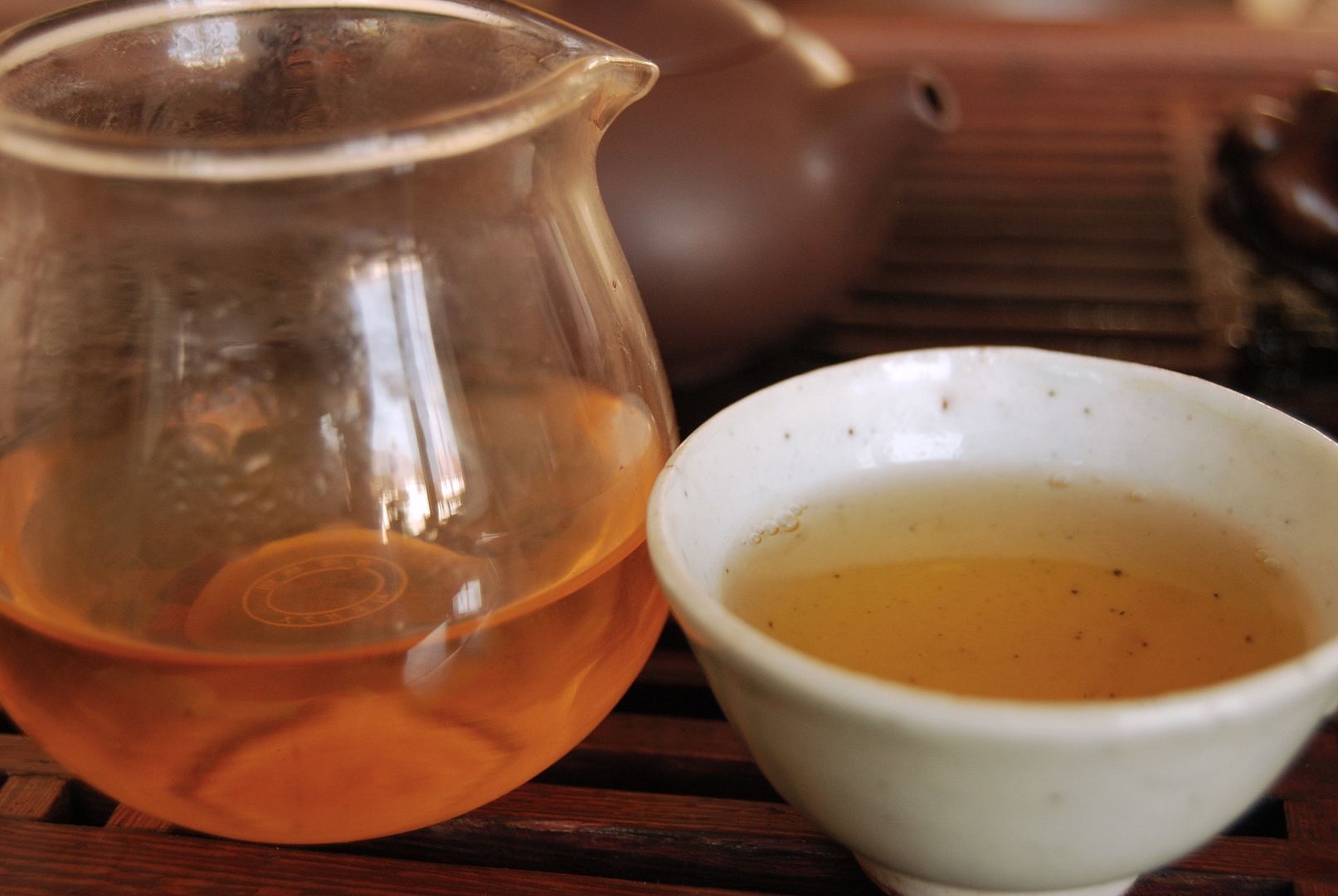
It has a "big", smoky scent, and (as pictured above) turns out a decidedly solid orange colour, neither of which is usual for unaged Dayi.  That is, unless we consider the dubiously-roasted recipes, such as 0622.

This is immediately confirmed upon tasting: some of the kuwei [good bitterness] has been exchanged for the roasted, almost "blackened" character of 0622, which always reminds me of modern Xiaguan "specials", which in turn seem to be cleaned-up versions of Baoyan.

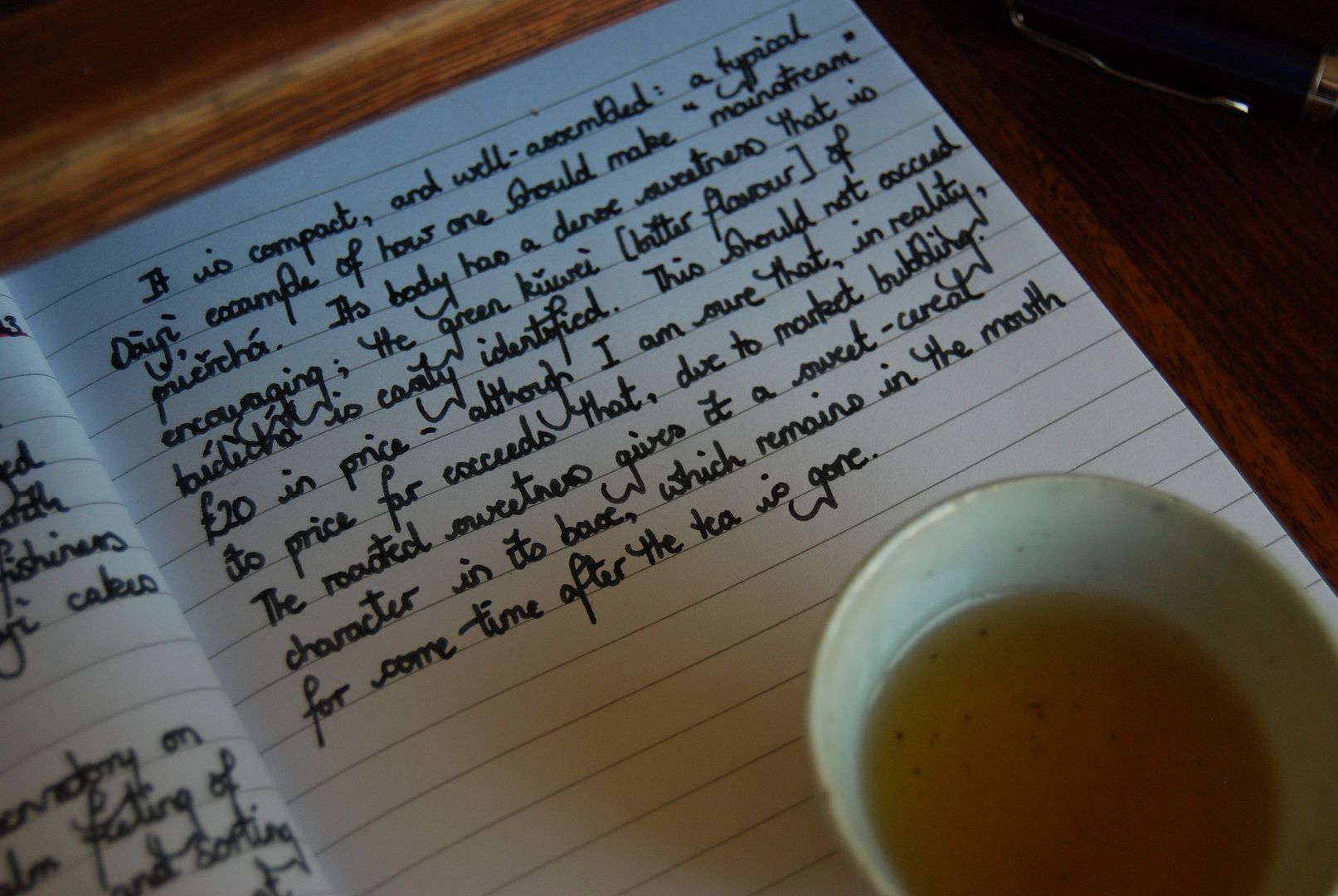
It is compact, and well-assembled: a typical Dayi example of how one might make "mainstream" pu'ercha.  Its body has a dense sweetness that is encouraging [despite a portion being processed away]: the green kuwei of taidicha [plantation tea] is easily identified.

This has the quality of a cake of £20 value [approx. $30], although I am sure that, in reality, its price far exceeds that, due to market bubbling.  The roasted sweetness gives it a sweet-cereal character in its base, which remains in the mouth for some time after the tea is gone.


2012 Dayi Longyin


As always, much of the story is told when we turn the wet leaves out for inspection: there is a minor proportion of the blend that has been deliberately blackened, which you might be able to see in the above.  These heavily-processed leaves co-exist in the blend with the raw, flat green leaves of usual Dayi, where the latter give the tea much of its power.

While drinking this tea, Apache e-mailed me the actual price: it is currently 650 RM, which exceeds its value many times over.  I was happy to read from Apache that the original price was 200 RMB, almost exactly in line with my expectation of its value.  That is, when this quite straightforward, slightly-processed cake was originally released, it was priced fairly.  

Its tripling in price is something that only the most ardant speculator would consider: surely, if pu'ercha drinkers have any tastebuds of their own, they will refuse to pay the rather staggering sum of 650 RMB for an unaged, rather standard, piece of Dayi.

It would be beneficial if this bubble burst sooner, rather than later...