02 March, 2008

Land of the Free, Home of the Brave

The Half-Dipper will be broadcasting from the oddly-named town of Big Sky, in Montana, for the next few weeks.

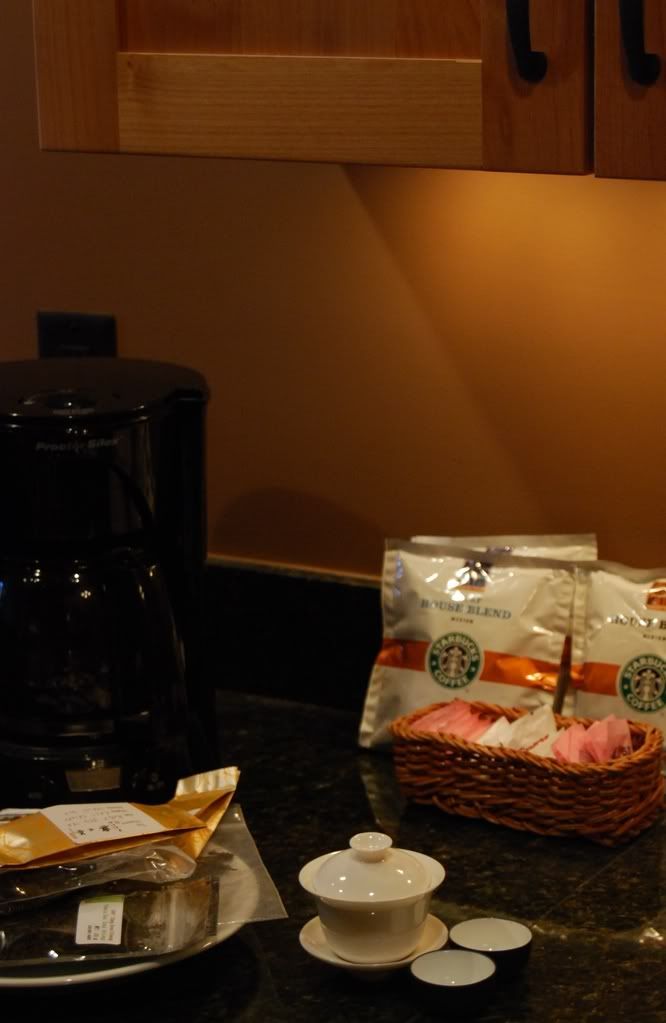
We have brought tea aplenty - though it's nice to see that even the coffee that comes with the hotel apartment is at least fairly decent these days:

This is the first time that either my wife or I have been to the USA, and with a good conference taking place in the mountains, it felt like the right time (and perfect excuse) to see the country first-hand.

Big Sky is a rugged (if slightly well-kept) example of a town in a rugged state, and the people are equally rugged, which is a great point in its favour. During part of the 25-hour journey from England, we had the pleasure of conversation with a gently-spoken, retired marine drill-instructor, who really epitomised the good points of that character.

We don't meet a huge number of Americans in our daily lives - the kind we get in Oxford colleges doesn't really represent the best points of that nation's citizens. In Montana, the people are a bit different (in the right direction), and it's a wonderful thing to experience.

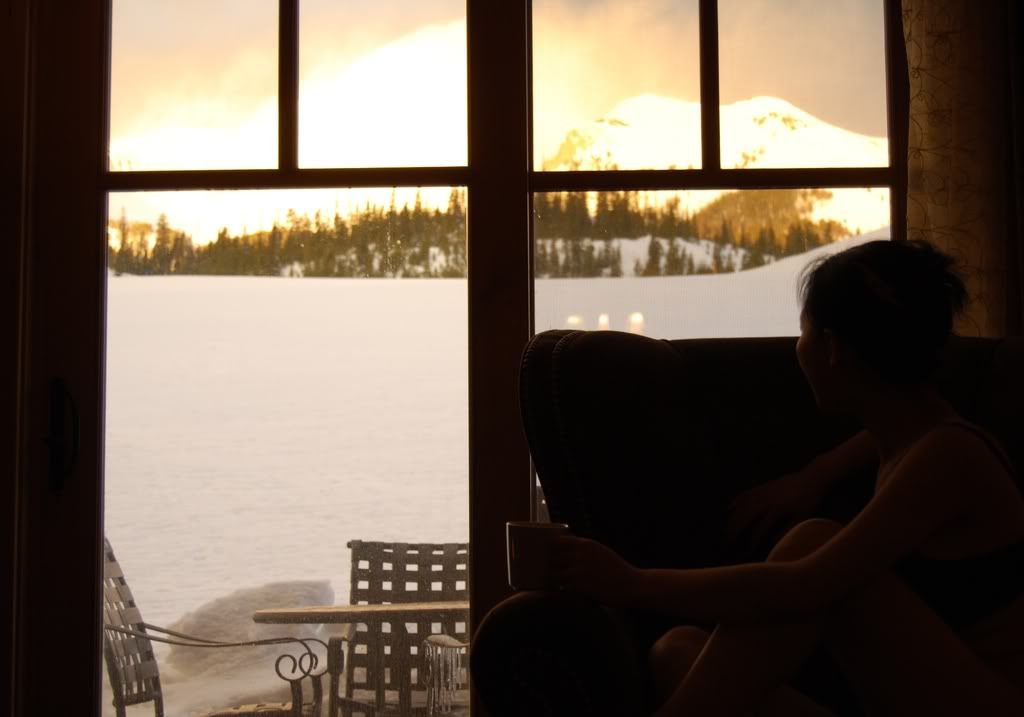
Against all the odds, the conference have been kind enough to put us in a room with a fine view:


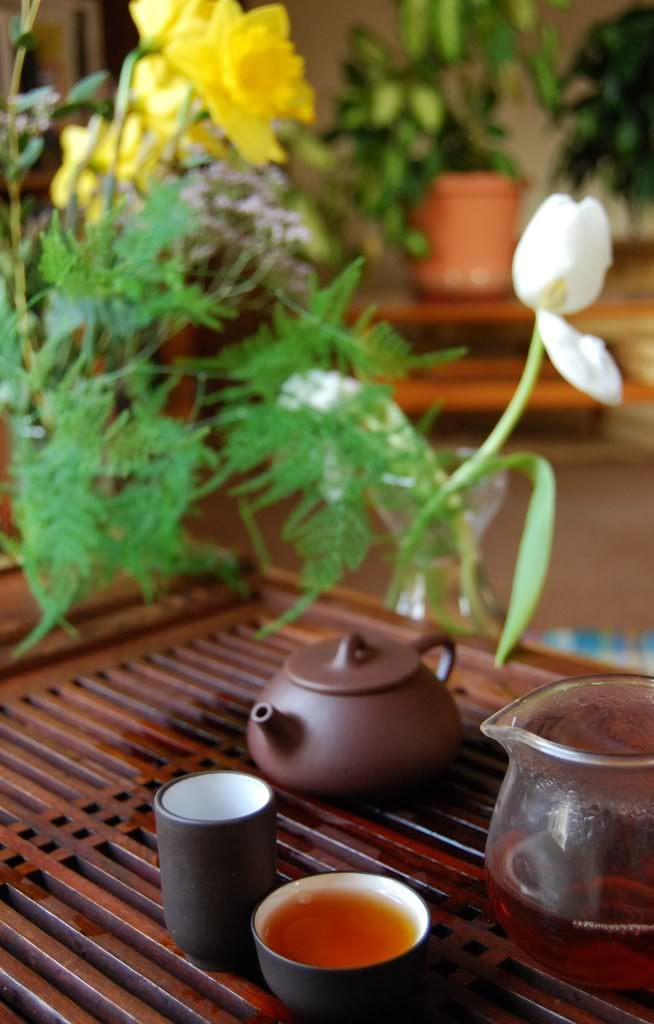
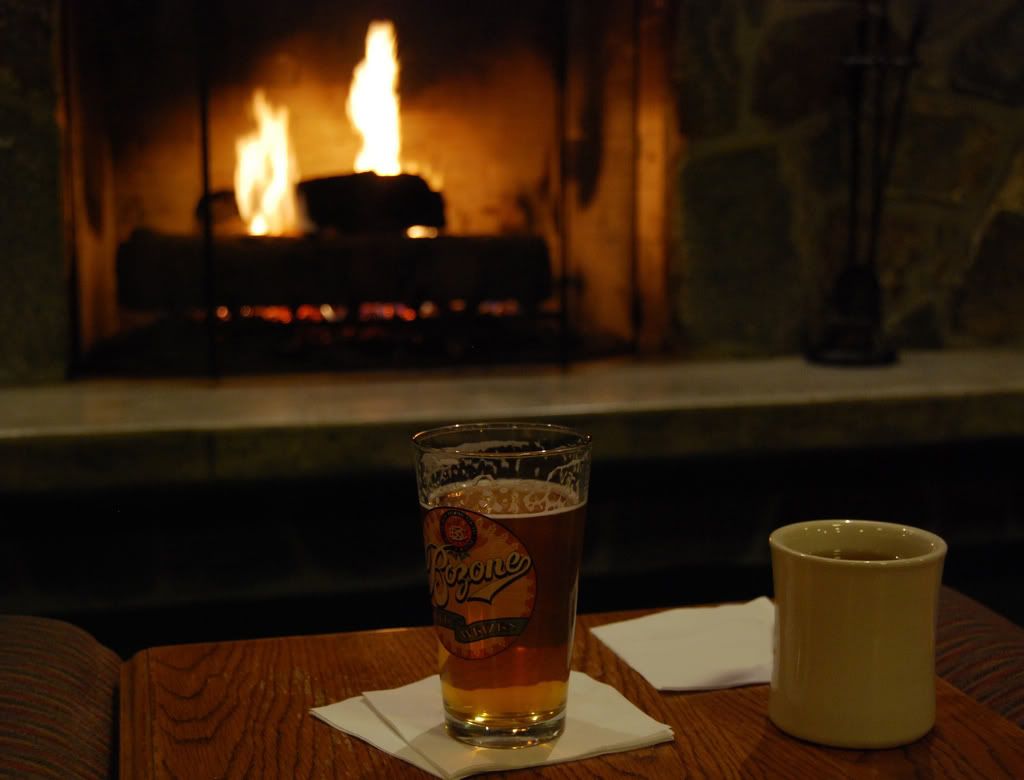
Though the highest temperature is freezing-point, it's a good environment for getting cosy with some good tea:

What better way to thaw out after a cold day? Plus, it seems that Americans know how to brew a really good wheat beer...
23 February, 2008

1990s Song Pin

London: cold, unwelcoming, distant. Much the same goes for the average Londoner on the street, too.

Fragile life.


In a city of such size, maybe it's inevitable that individual humanity goes by the wayside. Distant eyes, distant faces, hunched shoulders. Big clocks ticking on big buildings. Bus drivers openly cursing. People soup.

I'm in the capital for a two-hour examination unrelated to my studies, and am looking forward to getting back to the peace of home. An oasis in the middle of town, TeaSmith is one of the good points of the city, along with all its forgotten churches. I get plenty of both before and after my exam.

The cafe doesn't change much, which is a good thing, as they're onto a winner. Warm conversation, good music, decent tea. Of interest on the current menu is a buttery baozhong. They were even kind enough to dig out a 2005 Xiaguan "Wild Big-Tree" cake from a cupboard.

Back at home, it's time to dig into some a 1990s Song Pin cake (originally from Dragon Tea-House), kindly provided by the ever-generous CB...


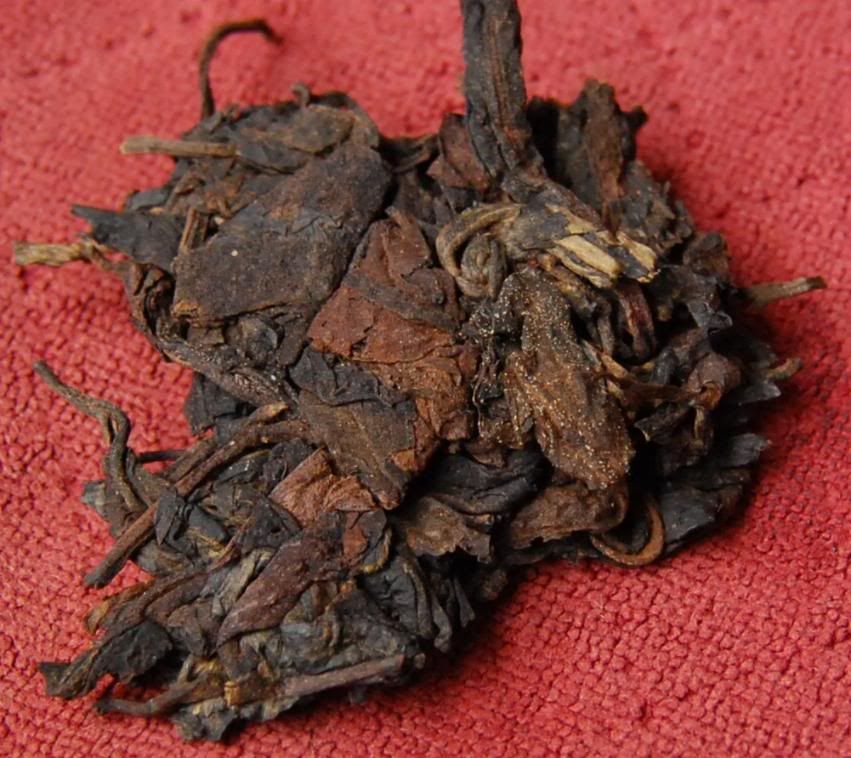
Yellow specks (pictured above)! Given the advanced state of decay of most of the cheese that we eat, a little mould won't stop me. Two rinses of boiling water, and we're ready.


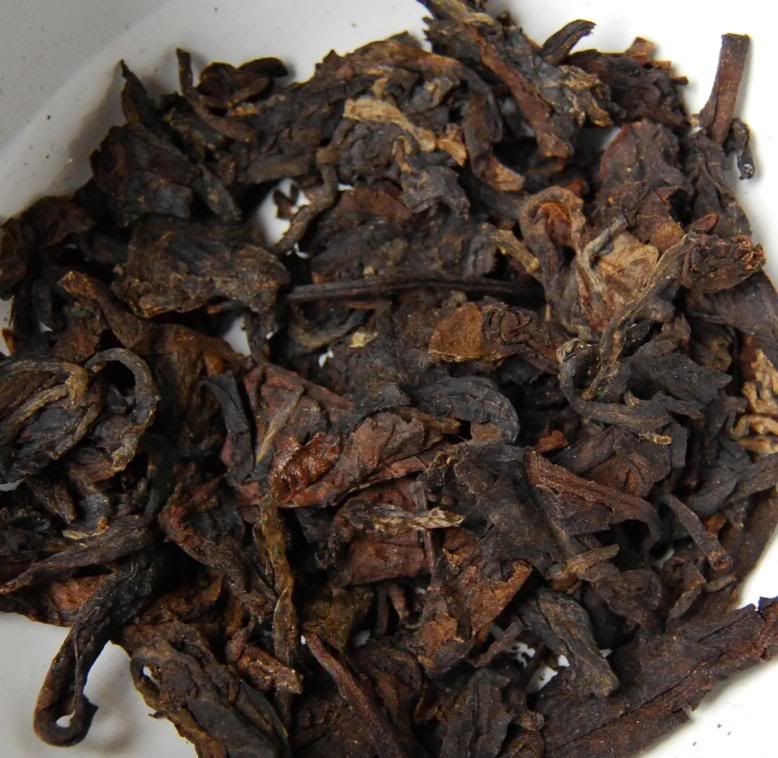
There are plenty of "yellow leaves" evident in this cake, those thin and brittle examples that tend not to impart much flavour, but plenty of bitterness. These are mixed with a good proportion of small, furry tips.

I like shicang tea, so the plentiful shicang [wet storehouse] aroma is fine by me. It also explains the mould..


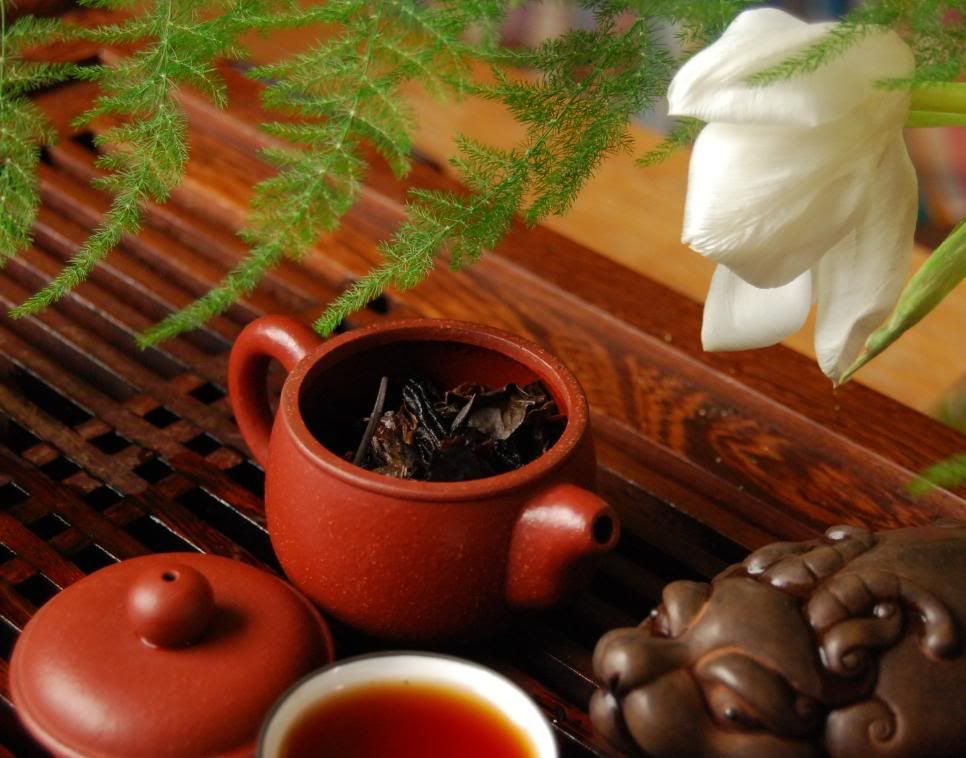
As you can see, the brew is an encouragingly deep red. The soup is not too potent; despite filling my small pot, and infusing for long periods, the result is not overbrewed. This could be down to the high concentration of small tip-leaves - always gentle.

Maltiness and "dustiness" are present in both aroma and flavour, while the texture is also "dusty", though there is no sediment. Some ku remains, but it is well on the way to becoming mature pu'er. If you like that familiar and enjoyable "numbness" in the mouth, you'll enjoy this tea.

The whole is very gentle. I look for larger leaves in a good cake, in order to provide a solid basis, but this is mostly tips and "yellow leaves".

This is easily worth the £40 asking-price. I have been drinking a lot of 2007 Xizihao recently, which is often much more expensive and less interesting.

Many thanks, CB, for a great tea.

20 February, 2008

1990s Tibetan Heicha

Stand by your bunks, some more for the "outbox"...


Aged for ten years in Tibet, where it is boiled with yak butter to make the famous beverage, this heicha [fully-oxidised, "black tea"] was originally sold by Yunnan Sourcing. The tea was generously provided by a benefactor who wishes to remain nameless, so for the purposes of this article, let's call her MYSTERIELLA...


It's a chunky brick, and yet seems remarkably light. Digging into the leaves, it becomes apparent that they are very light - pulling them from the brick causes them to rustle and disintegrate like burned paper.


It's a twiggy brew, and no mistake. A gentle "library" aroma hangs about the leaves. It seems worn and gentle, and in that regard not too dissimilar to the 2001 Liuan heicha that we encountered last year.

It seems as if the trends for exploring heicha come and go. Usually, even with the best examples, they reach no further than a decent "daily tea". Perhaps there is a remarkable heicha out there waiting to be discovered...


It's a dusty brew from this particularly heicha, and two rinses are in order. The resultant soup is really rather smooth, continuing that pleasantly sweet aroma so loved by bibliophiles the world over.

After a session, I am left invigorated and fresh. I know MYSTERIELLA didn't get on with this tea, but I think it's markedly better than the current daily tea that I use in my office. For such use, I look for an undemanding tea that neither requires nor benefits from great attention - this leaf is a decent enough background leaf, and I am very grateful for it.

As a coda, some scuttle-related erotica for those so inclined...