When does the use of superlative begin to seem like parody?
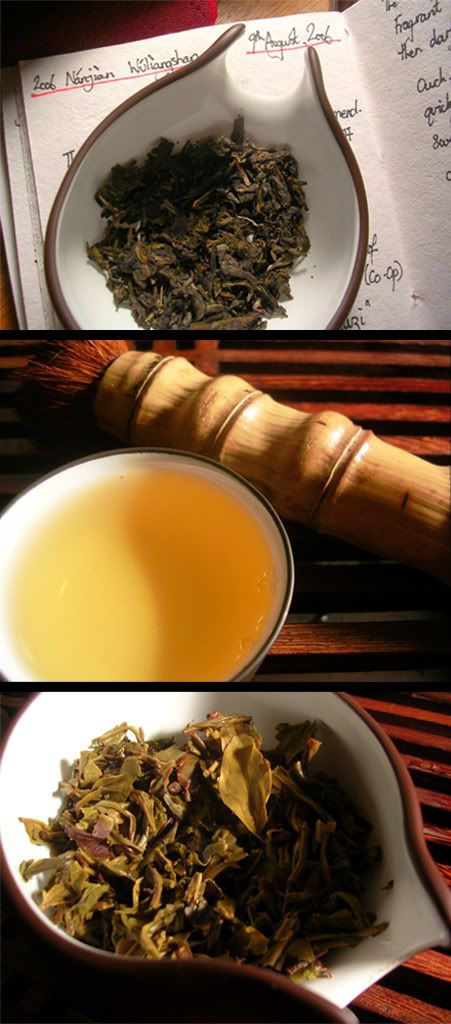
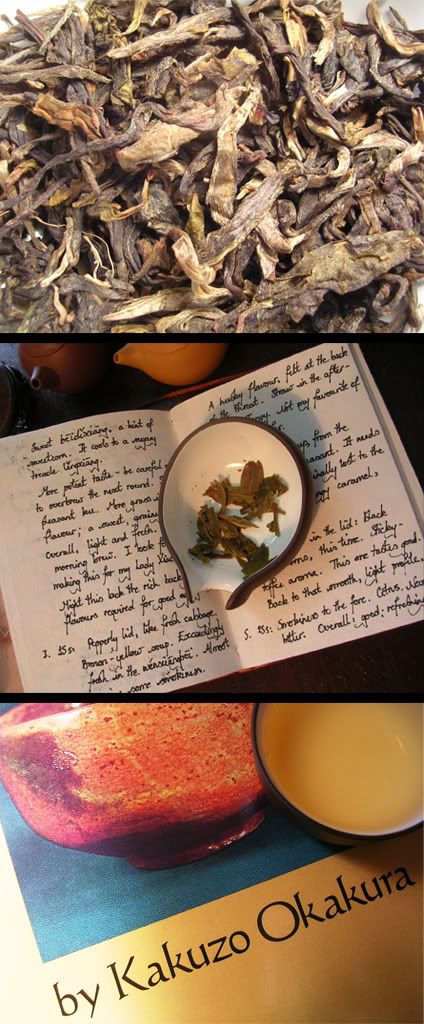
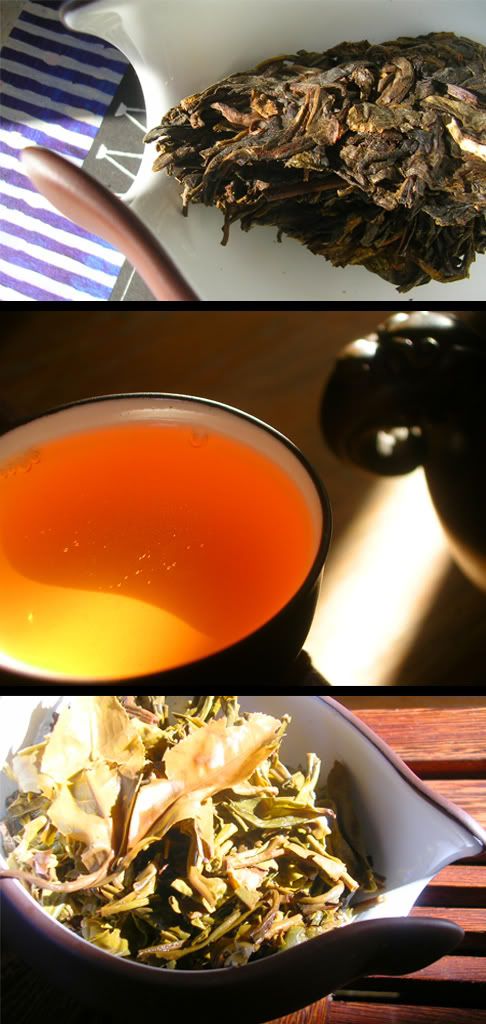
Dark, tippy, and showing evidence of good handling, these leaves exhibit a remarkable sweetness, against a rich background of pleasant licorice. The wenxiangbei continues the pronounced sweetness, but the magic happens in the pinmingbei: the soup is excellently thick, and has a fine active quality where it touches the lips and tongue.
There is much to experience in this tea, and it proved a pleasant foil to recent samples that I have been drinking. There is a complexity of sensation about this tea that I miss when I drink less esteemed cakes.
All the way out to the dark sugars from the yunxiang [after-aroma], contrasting well against green notes in the body, and always that buzzing, vibrating, effervescing quality of the soup's activity.
The huigan is fair in duration. I would be happy if there were more low, rich notes to accompany the panoply of high, sweet, sugary experiences on offer - but perhaps this is having one's cake and eating it.
The overall character is sweet, high, grassy, and active. A fine tea, and, apparently, an unavailable tea.
Dark, tippy, and showing evidence of good handling, these leaves exhibit a remarkable sweetness, against a rich background of pleasant licorice. The wenxiangbei continues the pronounced sweetness, but the magic happens in the pinmingbei: the soup is excellently thick, and has a fine active quality where it touches the lips and tongue.
There is much to experience in this tea, and it proved a pleasant foil to recent samples that I have been drinking. There is a complexity of sensation about this tea that I miss when I drink less esteemed cakes.
All the way out to the dark sugars from the yunxiang [after-aroma], contrasting well against green notes in the body, and always that buzzing, vibrating, effervescing quality of the soup's activity.
The huigan is fair in duration. I would be happy if there were more low, rich notes to accompany the panoply of high, sweet, sugary experiences on offer - but perhaps this is having one's cake and eating it.
The overall character is sweet, high, grassy, and active. A fine tea, and, apparently, an unavailable tea.
Addendum
15 October, 2008
One year on, and this tea has become empty and flat. Despite using lots of leaves, it is surprisingly quiet and seems to have run out of steam. What little flavour is to be had is high and sweet, as before.
The leaves are clearly of good quality, because the texture is very thick and it is a fizzy, active tea. Some fruity notes are evident in the background, testament to a cheeky blending in of fruity, oxidised leaves which can be seen to form part of the mix in the pot. The proportion is kept low, however, so as not to dominate the tea.
Too weak, sadly. Definitely not a Tea Emperor.
The leaves are clearly of good quality, because the texture is very thick and it is a fizzy, active tea. Some fruity notes are evident in the background, testament to a cheeky blending in of fruity, oxidised leaves which can be seen to form part of the mix in the pot. The proportion is kept low, however, so as not to dominate the tea.
Too weak, sadly. Definitely not a Tea Emperor.
Addendum
March, 2014
The year after I first tried this, six years ago, the tea had "gone quiet". Six years later, it is much improved. The body is thick and, best of all, there is a long aftertaste of sweetness. It has settled into a dense, sweet little thing, with the clean feeling of storage that is not immensely wet. It lasts well, and has returned from quietness - perhaps fed by the Oxford humidity.