13 March, 2013

Closing the Lid

Zidu


closing the lid
the teapot puffs a cloud
of Yiwushan

11 March, 2013

In Search of 502

The Dayi 501 tuocha is a thing of humble beauty.  Just click that link and marvel at its deliciousness.  According to my notes, I originally bought them at $10 / 250g from Yunnan Sourcing.  Ten!  Dollars!  They now seem to be unavailable, and the next best thing via Taobaowang is the 502 (i.e., the second batch in 2005).  This latter currently sells for 350 RMB ($56) for a whopping 500g tuocha.


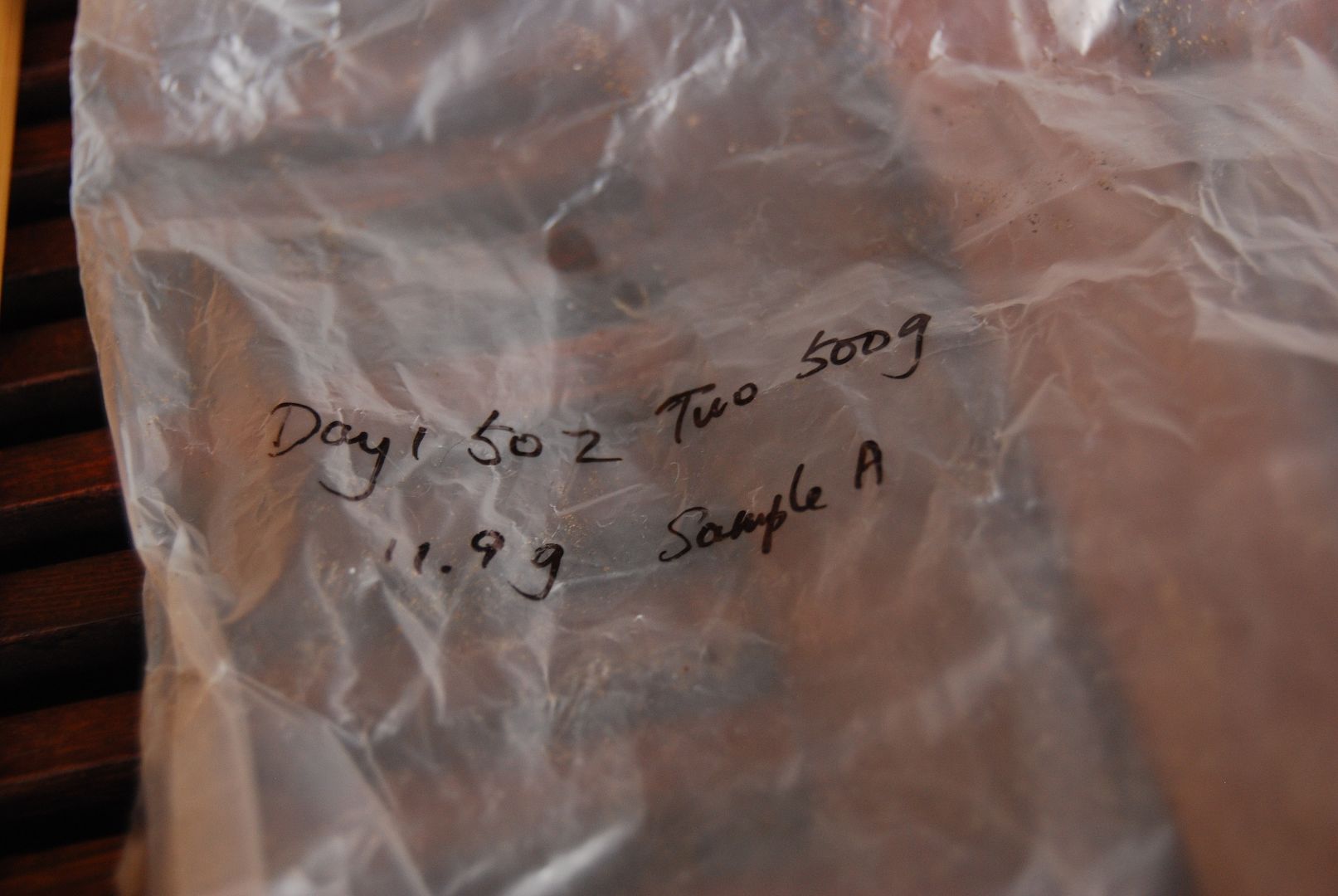
2005 Dayi 502 Sample A


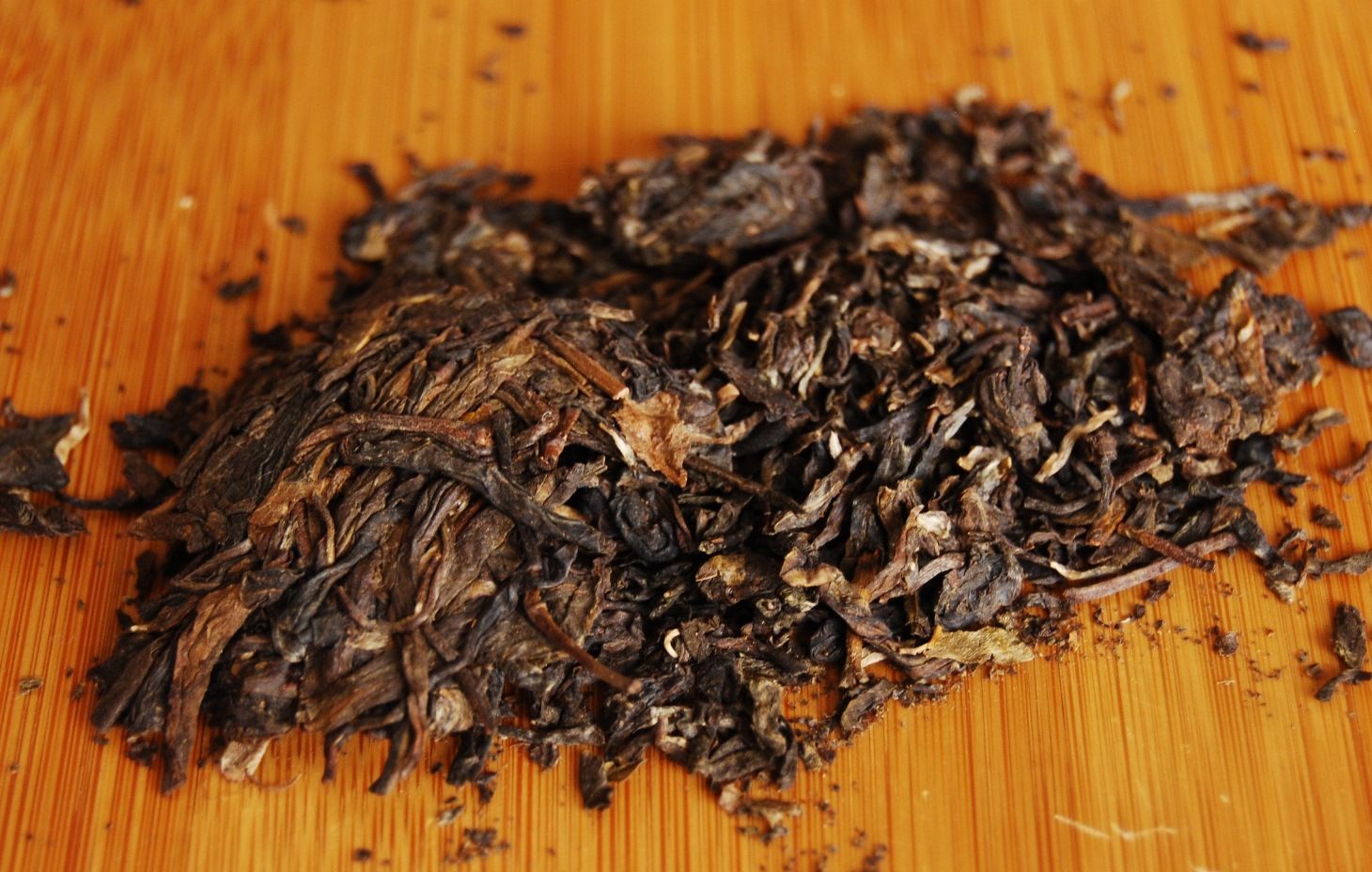
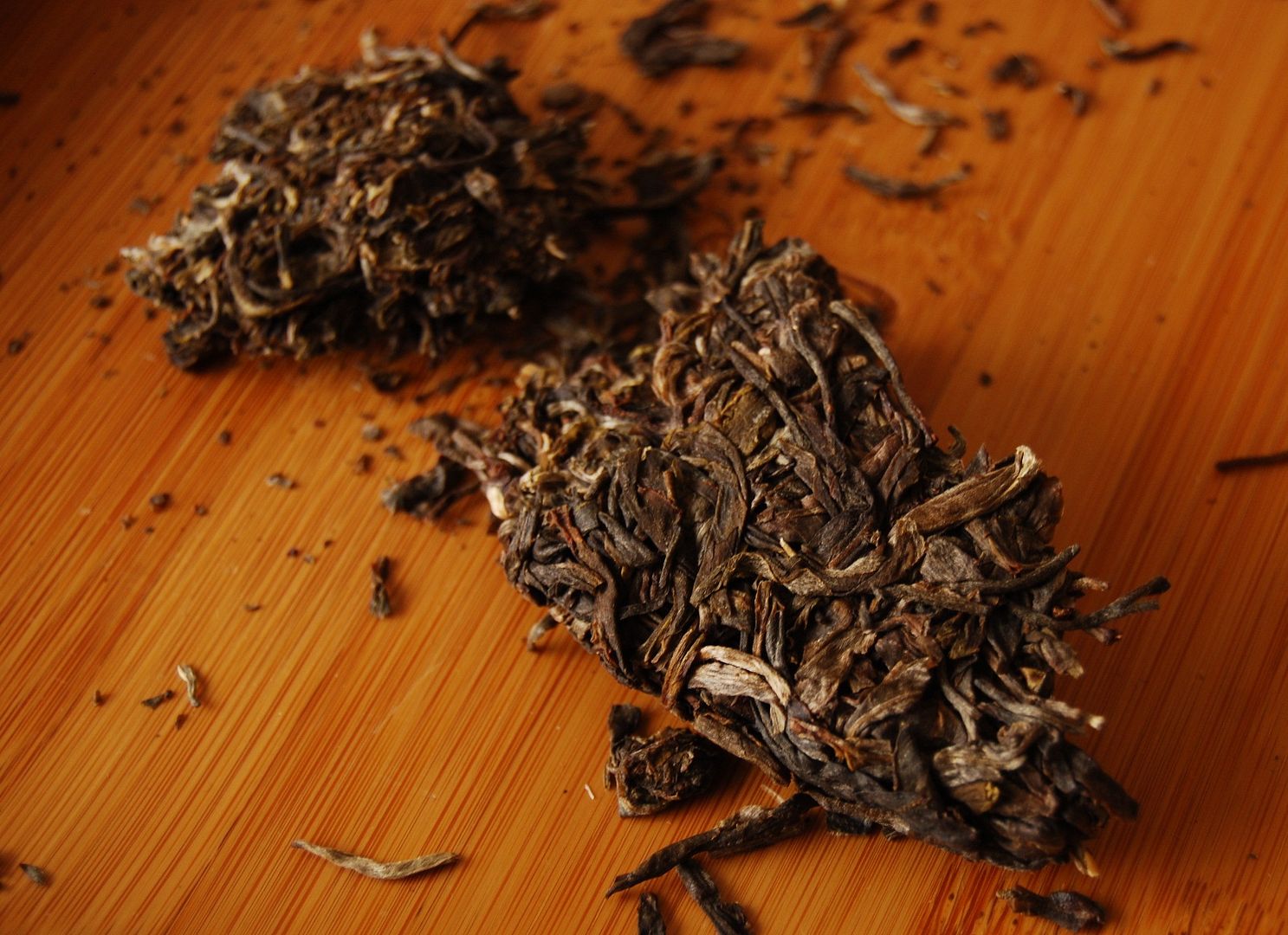
The mighty Apache and I have recently enjoyed a session with this "sample A" version of 502.  The leaves, below, look as we might expect for a good tuocha: fragmented and small, highly compressed, but looking otherwise appealing with their lustrous shine.


2005 Dayi 502 Sample A


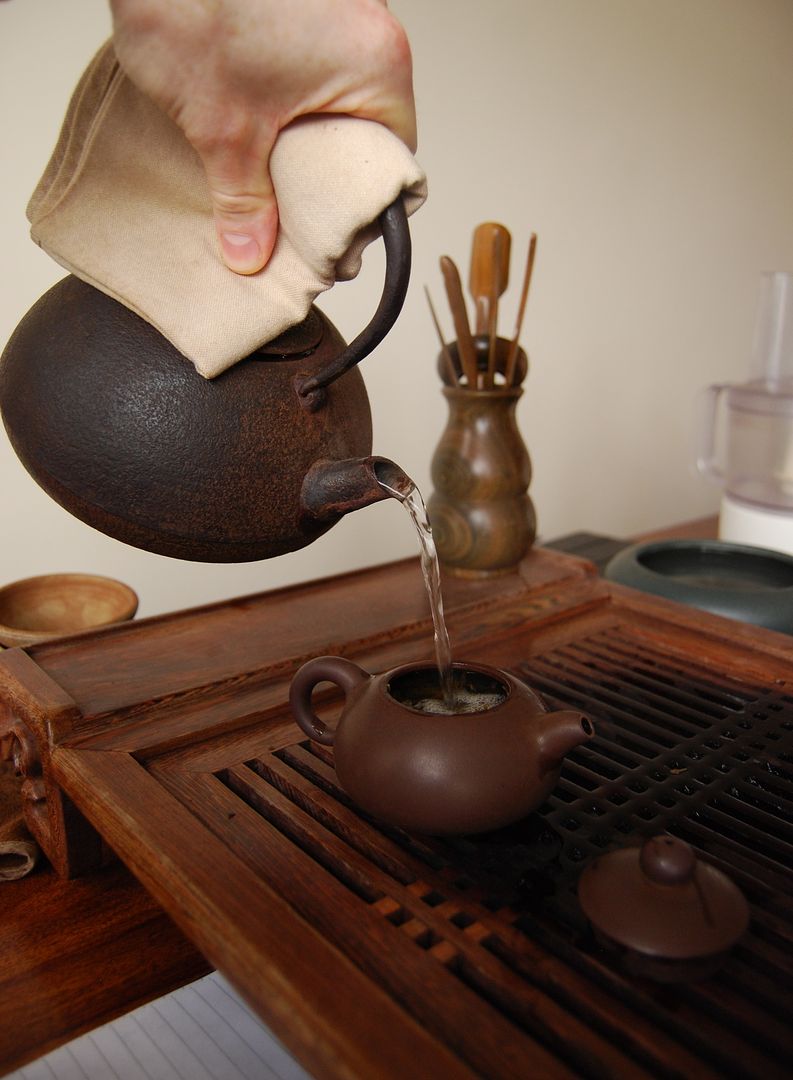
My tetsubin seems almost as glad as I am to be revisiting what should be a good Dayi, if it is anything like my 501...


2005 Dayi 502 Sample A


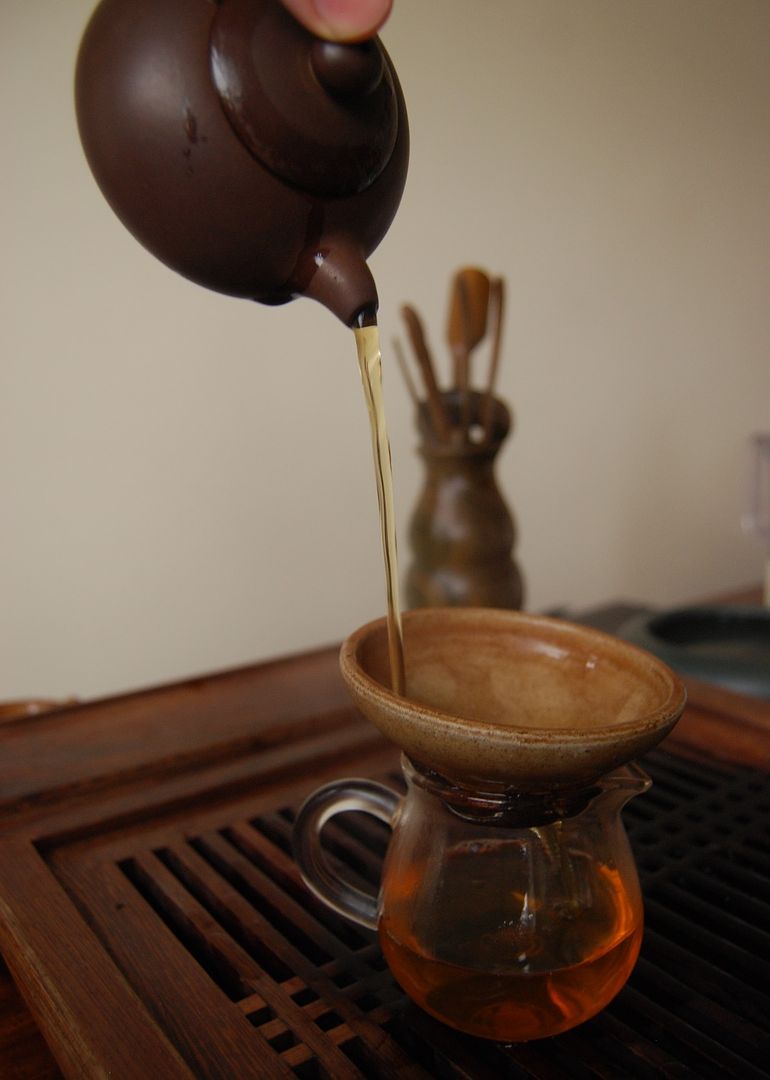
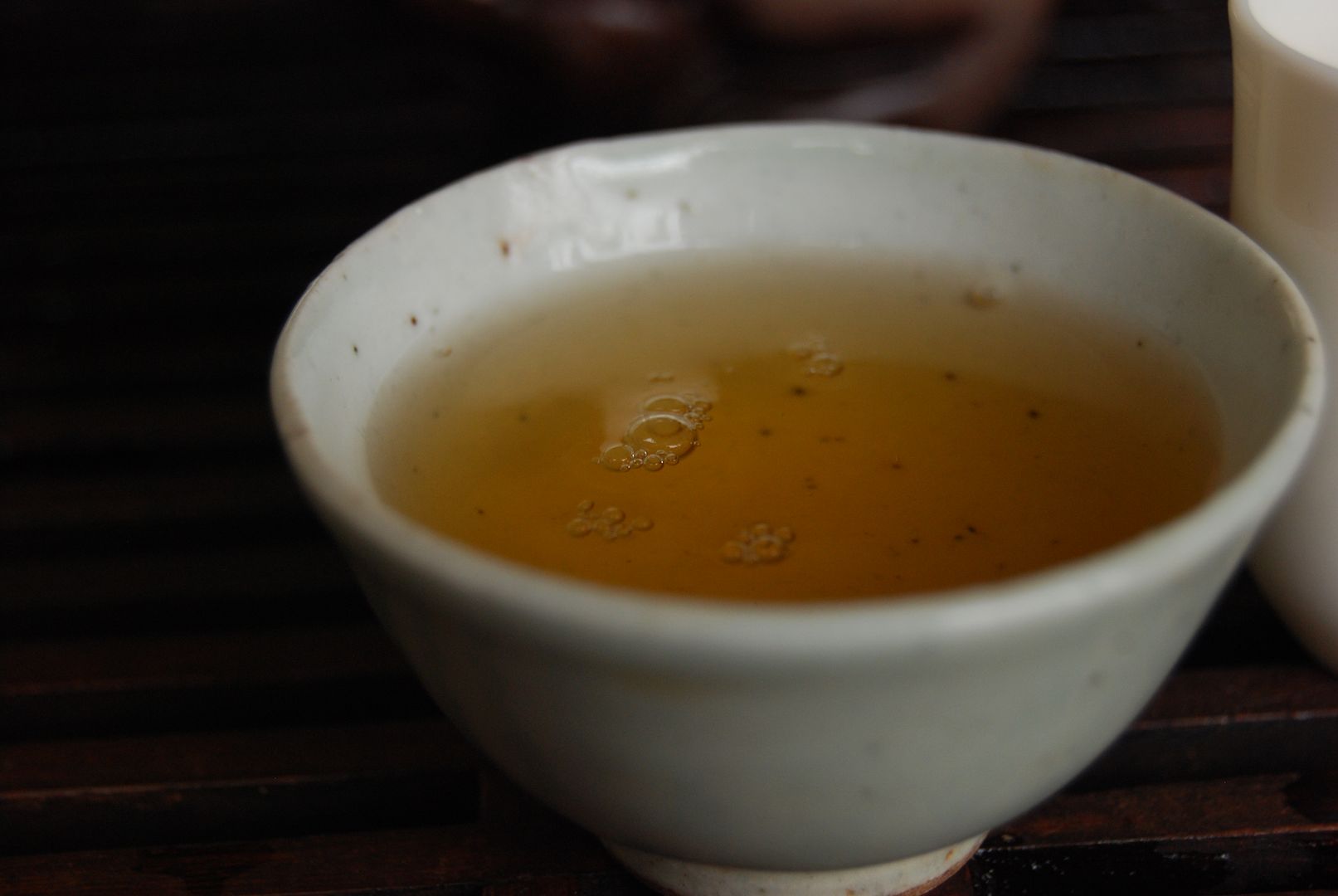
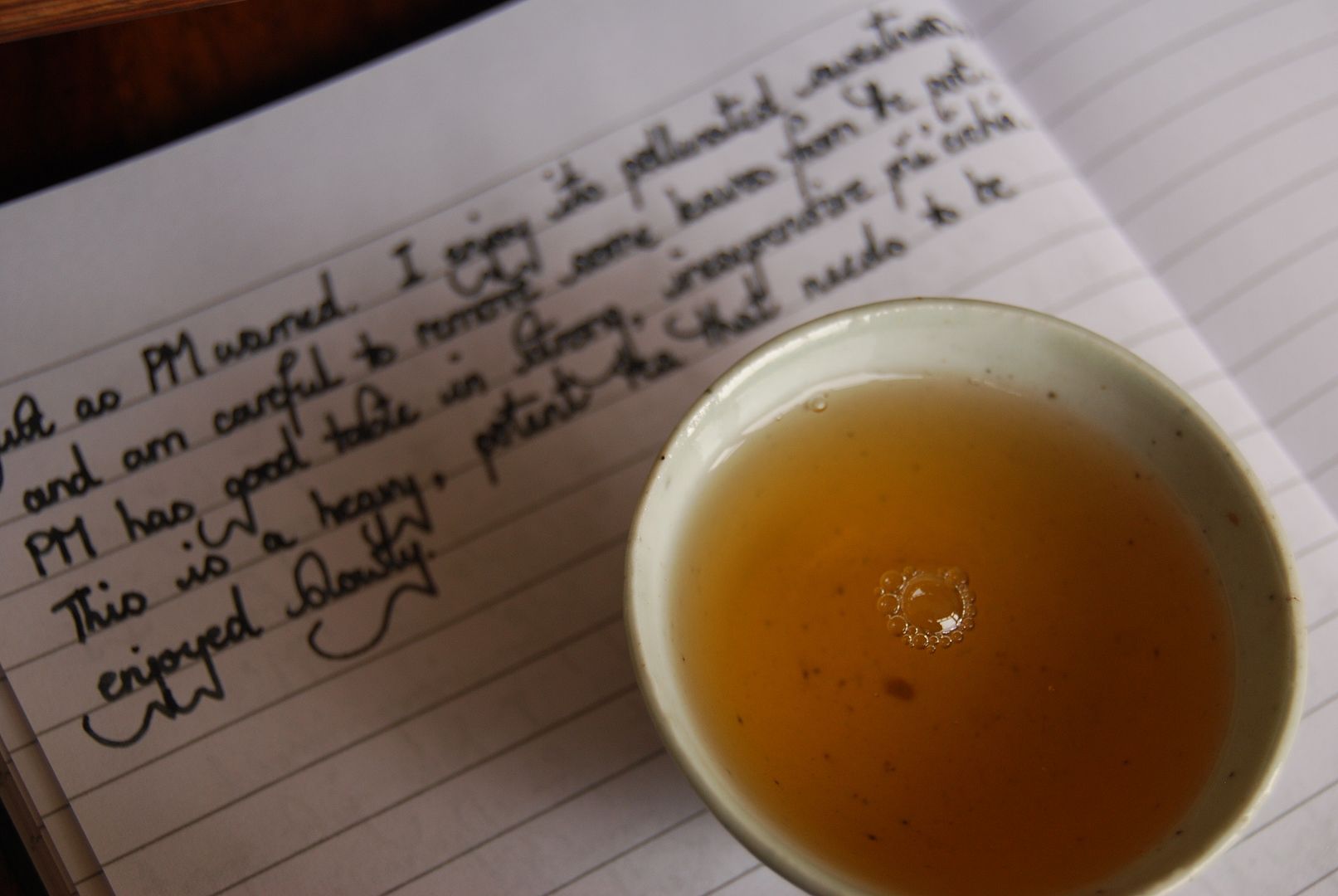
The soup is orange, and indicates that the 8 (!) years since 2005 have been working on the tea.  It has a long, dark, and sweet aroma in the wenxiangbei that indicates power and decent contents.  It certainly has not slumbered.

Immediately obvious is the forthright and tangy finish, followed by a late kuwei, which stays in the throat and under the tongue.  The long aftertaste is accompanied by a pronounced cooling sensation on the breath.  In the first infusion, a "fishy" flavour that rapidly dissipates - akin to a Japanese green.

It lasts a very long time, and remains stable: it is solid, simple, tangy, and particularly mouth-watering, with the spicy wood characteristics of good leaves undergoing good storage.  It is a satisfying tuocha, and certainly as enjoyable as my much-loved 501.  Remember that this is humble tea, and so to have such a good session is a real testament to the ability of Dayi cakes to age well.


2005 Dayi 502 Sample A


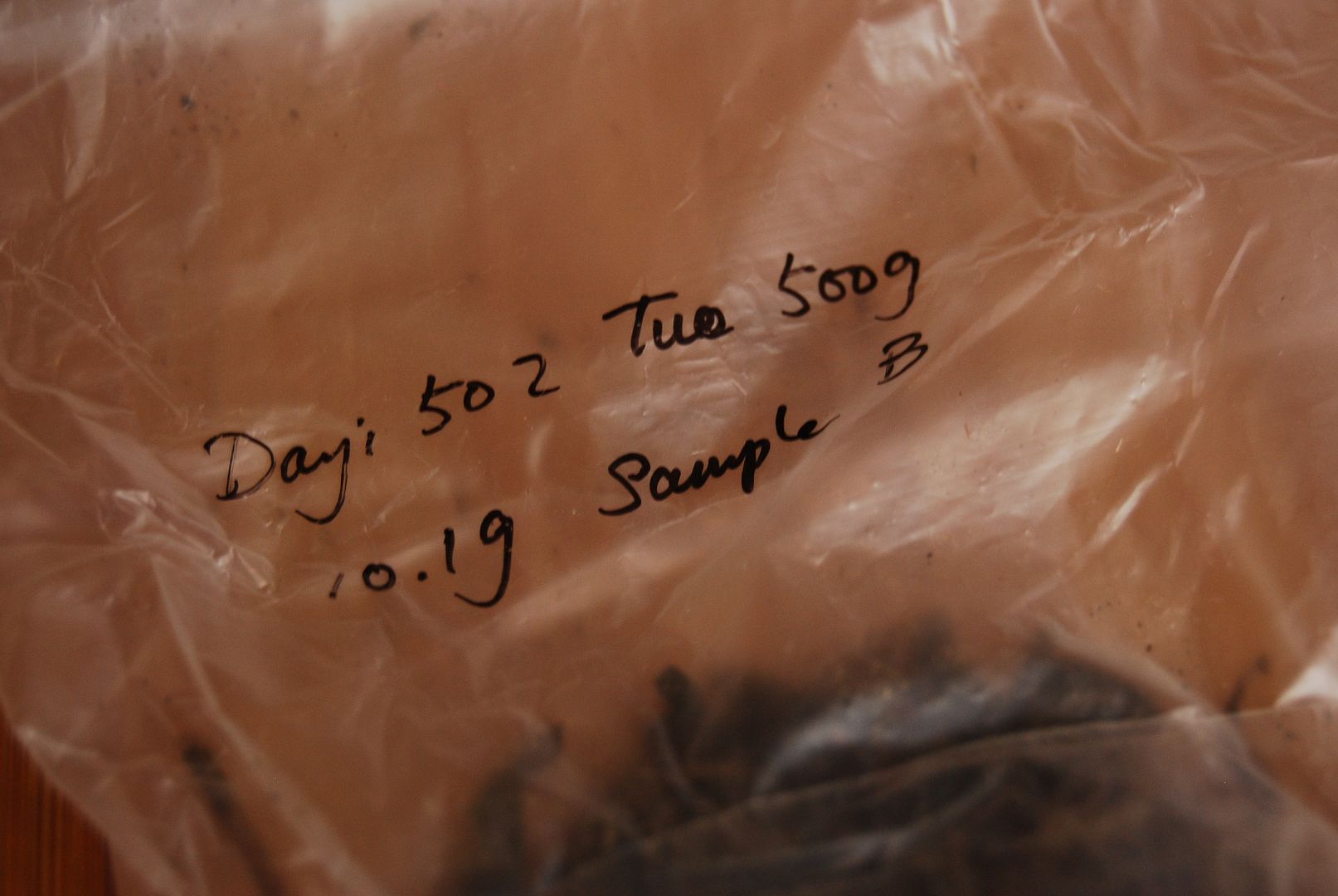
For comparison, we have "sample B", which is, if I understand correctly, the tuocha that is currently available via Taobaowang.


2005 Dayi 502 Sample B


It certainly looks to be the same tea, and it will be an interesting experiment to see if both 502s have aged identically.


2005 Dayi 502 Sample B


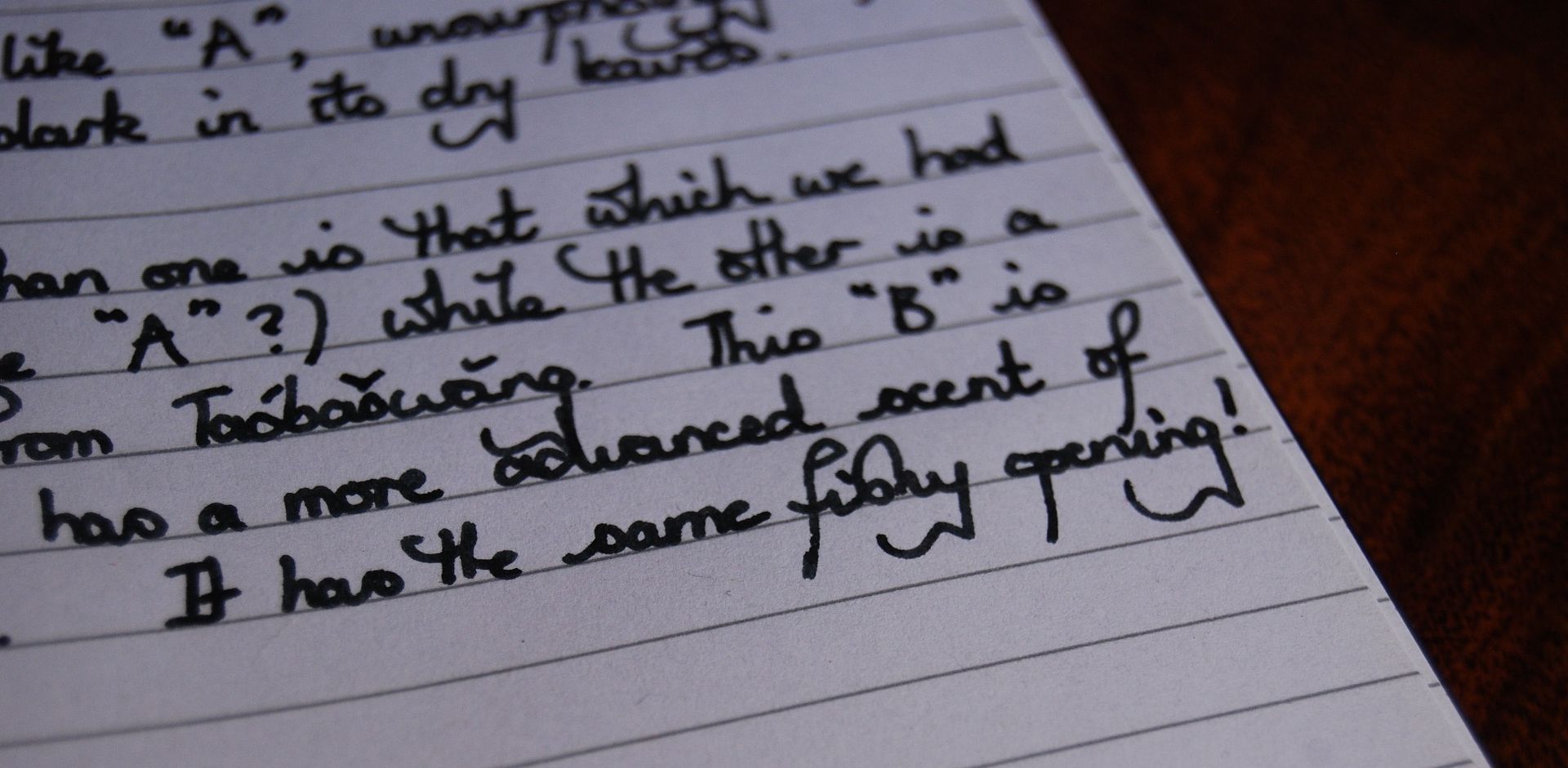
To expel any doubt that this is the same tea as sample "A", it even has the same "fishy" opening, which, as with the other sample, dissipates after the first infusion.


2005 Dayi 502 Sample B


The comparison is fascinating: sample "B" is lighter, requires long infusion times, and does not fill the mouth as well as did "A".  It is clean and very dry.  While it has the same overall profile as the first sample, this second version has clearly been the result of a much drier storage, which is confirmed by Apache.  I wonder if "B" has been stored somewhere like Beijing for a few years - it is noticeably different to "A", and, it must be said, a little less satisfying.  My own 501 is closer to the "A" profile in character.


2005 Dayi 502 Sample B


It is good to be cautious when buying from Taobaowang, given the variety of storage conditions, and I am grateful to Apache for allowing me to keep track of his on-going investigation.  Today's comparison again emphasised the importance of getting one's storage right, given that the outcome can be so obviously different.
08 March, 2013

2012 Ruiyuan "Laoshucha"

Twodog2 (proprietor of white2tea.com) is the Captain Ahab of hunting bargains.

I believe he was engaged in a tremendous battle with a bargain at a young age, and it took one of his limbs.  He now sails the high seas hunting bargains, trying to find that single, monstrous bargain that so deformed him.  It is a mad quest, in which he must surely perish.

Let's get onboard his Pequod.


2012 Ruiyuan Laoshucha photo 2012-Ruiyuan-Nannuo-01.jpg


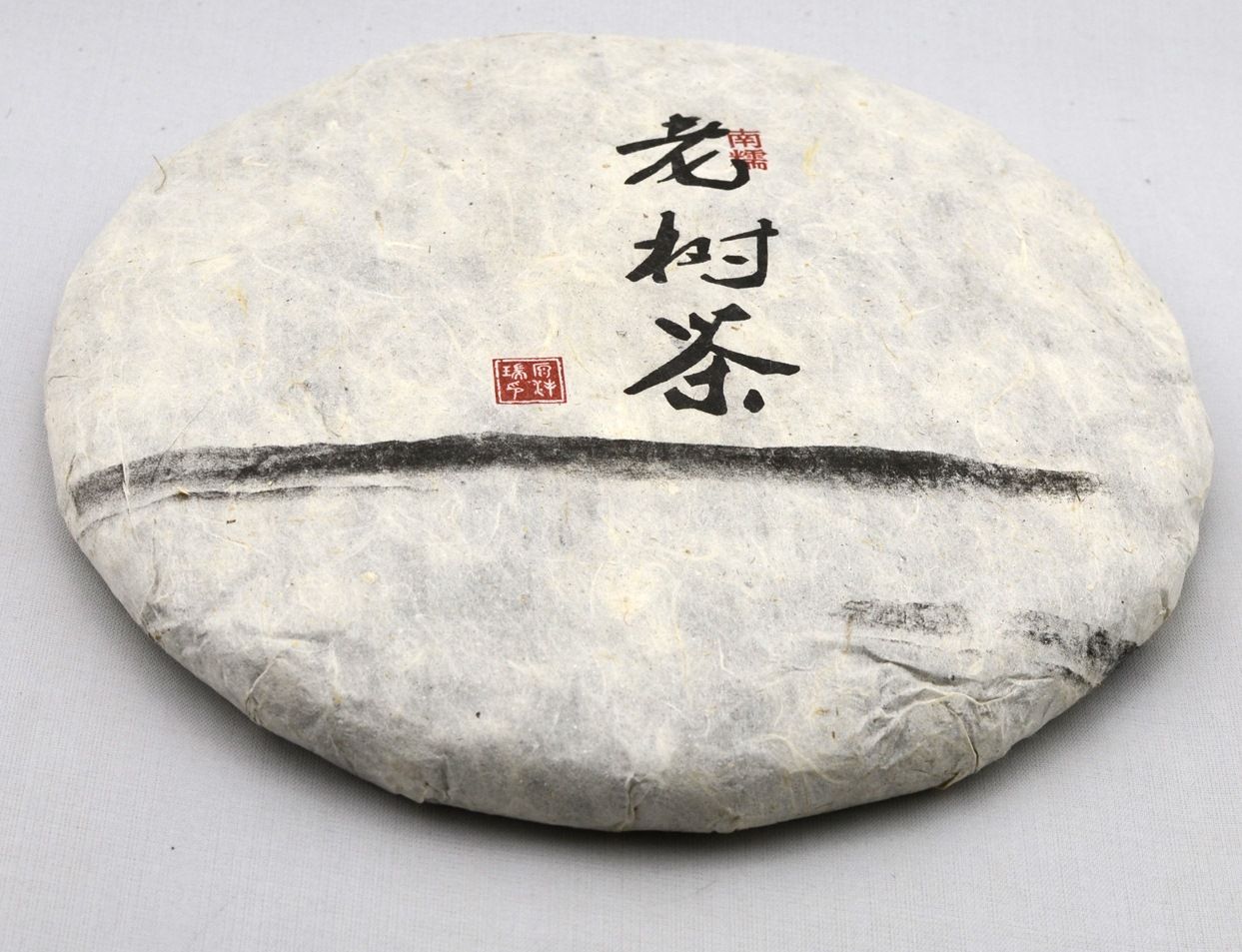
Ruiyuan is a label of cakes produced by apparent teachum of twodog2's, one Ma Yongwang.  The label simply states "LAOSHUCHA", in a defiant "get over it" manner.  Twodog2 writes that Mr. Ma is a straight-shooting individual, who will quickly tell you which of his cakes are made from taidicha [tabletop-tea, or plantation tea]. 


2012 Ruiyuan Laoshucha photo 2012-Ruiyuan-Nannuo-01.jpg


The web-site description for this cake is filled with all manner of "here there be dragons" warnings.  Such things merely act to stoke my own desire for conflict, man vs. tea, out on the roiling waves, seaspray heavy in the air, the roaring of the maelstrom at once calming and terrifying.

Bear in mind that this a Nannuoshan cake, which is an area usually synonymous with bluebells, tulips, lace doilies, and other feminities.  Can this ladyregion really generate something worthy of such combatative rhetoric?


2012 Ruiyuan Laoshucha photo 2012-Ruiyuan-Nannuo-01.jpg


"Ow, my face."

Such was my reaction to this first infusion, which was surprisingly potent.  It has pollen, it has buttery sweetness of young shengpu, it has all manner of floral notes, but it also fights back, refusing to be taken captive by the likes of me.

This seems to be a recurring theme lately.


2012 Ruiyuan Laoshucha photo 2012-Ruiyuan-Nannuo-01.jpg


Blubbing like a schoolgirl, I hoist up my petticoats and meet the beast straight on.  Admittedly, I removed quite a few leaves from the pot before meeting it straight on, but that's beside the point.

The huigan, which often goes hand-in-hand with positive kuwei [decent throaty bitterness], is prominent and enjoyable.  The texture is fat, like your matriarchal figure, and just as delicious.  I found myself thinking the unthinkable: here was a Nannuoshan cake that it was OK to like.  I exaggerate.


2012 Ruiyuan Laoshucha photo 2012-Ruiyuan-Nannuo-01.jpg


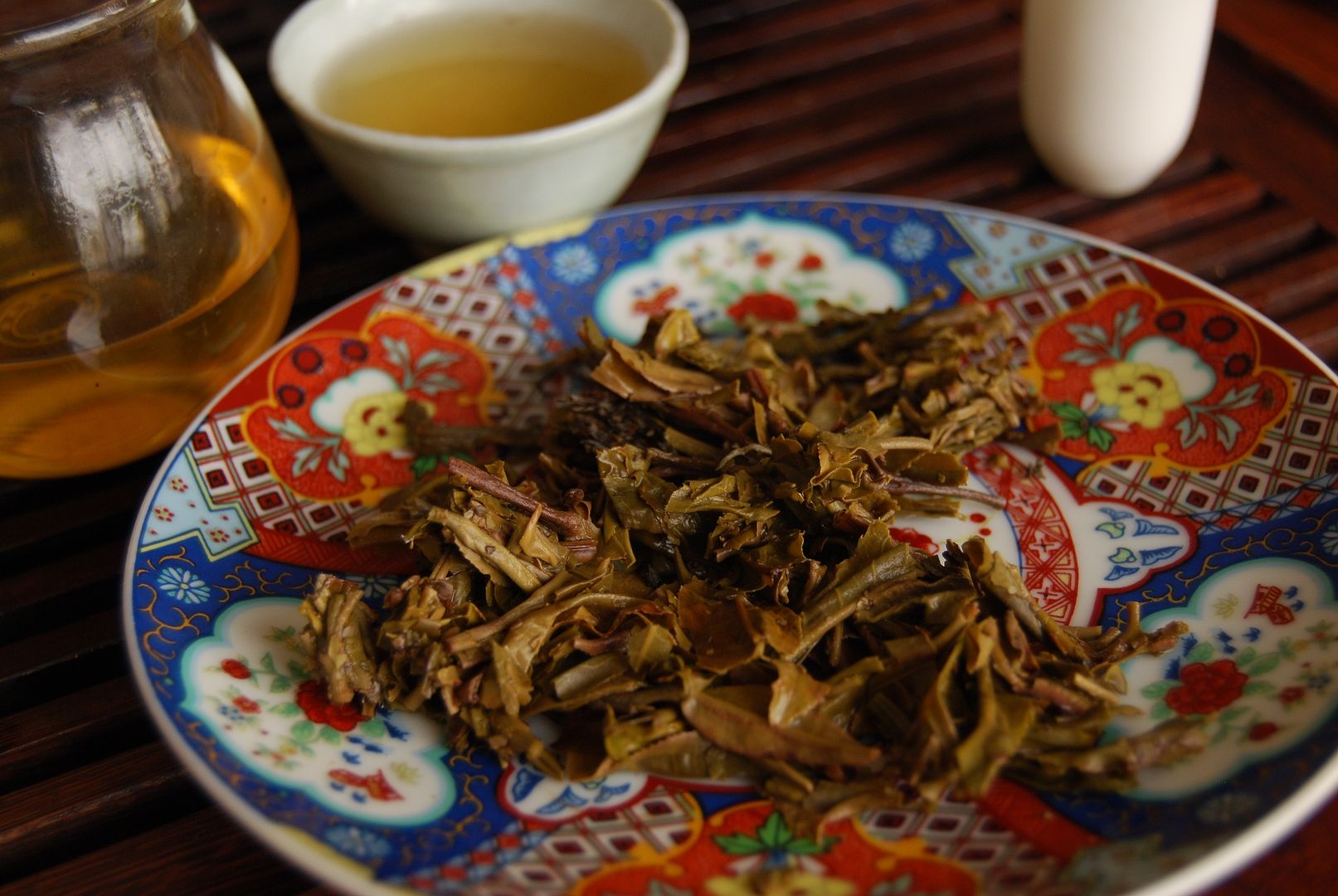
The quiet leaves pictured above look full of menace and devilry.  Consider, next, that this cake costs something like thirty Amurcan bucks.  Tell me, what can you get for such a sum these days?  Can you buy such fatness, such potency, combined with such enduring throatiness?  You would be hard-pressed to do so.

I have been enjoying the remainder of this sample in my lab, which constantly reminds me that I am locked in a struggle with the offspring of some person-hating tree, growing in the Nannuoshan region.  I can almost imagine its hatred of my kind:

From hell's heart I stab at thee...