Showing posts with label 2002. Show all posts

26 May, 2015

YOU WIN OR YOU DIE

I have long searched for an accurate analogy for the life of an "early career academic" (for which one should of course read: "someone too ignorant to get a real job").  The nature of this life is well-documented - articles on the difficulties faces by the new generation attempting to secure a permanent academic position crop up quite frequently in the media.  It's a tough prospect, and one that a number of we tea-drinkers share.

I used to think that the situation for new academics was like unto a Ponzi scheme.  There are a very (very) large number of undergraduate students; our lives do not really touch theirs very much, except for whichever quantity of teaching one has to undertake (and which we are actively encouraged to minimise in favour of research) and for the occasional "final-year research project".

There is a smaller, but still quite large, number of graduate students.  These are those brave souls who have not quite had enough of university life, and think that they can tolerate a bit more edumacation.  These days, many grad students have a career outside university in mind - perhaps the majority, given the state of the media.

Next up the pyramid of what I once considered to be the Ponzi scheme, we have the post-doc.  This is a much smaller population than that of graduate students, and comprises people who are usually fairly serious about staying in their discipline (either in academia or industry).  The post-doc lives a vicarious, often nomadic, lifestyle, moving between fixed-term research contracts.  In the sciences, this usually means working in someone's lab.  It is a stage that I know well!

Next up the pyramid is the permanent academic staff, or what seem to be called "PIs" (principal investigators) by recent standards.  In the UK, this is more-or-less the top of the pyramid, with some internal gradation concerning shades of seniority.  Once you make it into this group, you generally stay there until retirement (financial temptations of the private sector notwithstanding).

(In the US, I understand that there is something analogous, but which involves the tenure process - there might be a substantial split between the number of assistant professors gaming for a smaller number of permanent spots, which would put the "safety" point even further up the pyramid.)


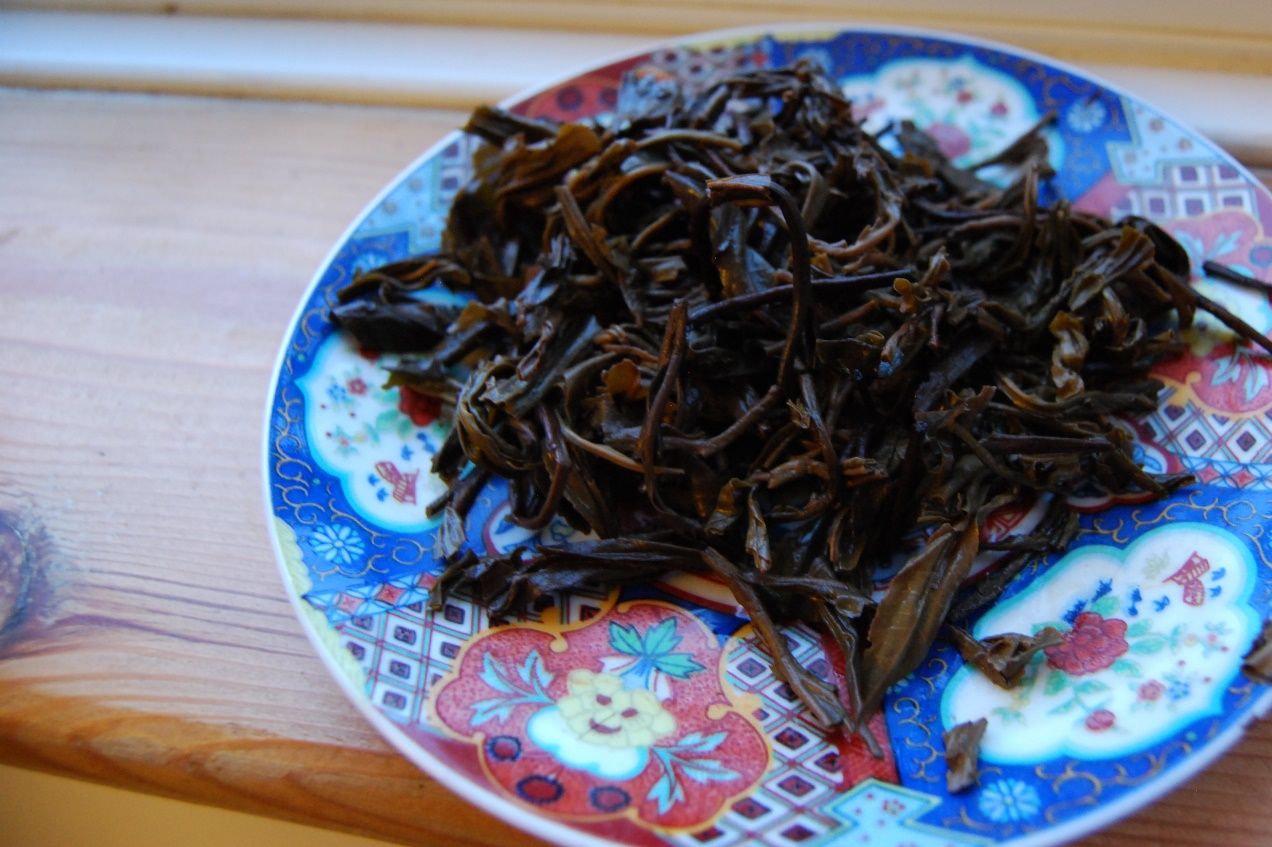
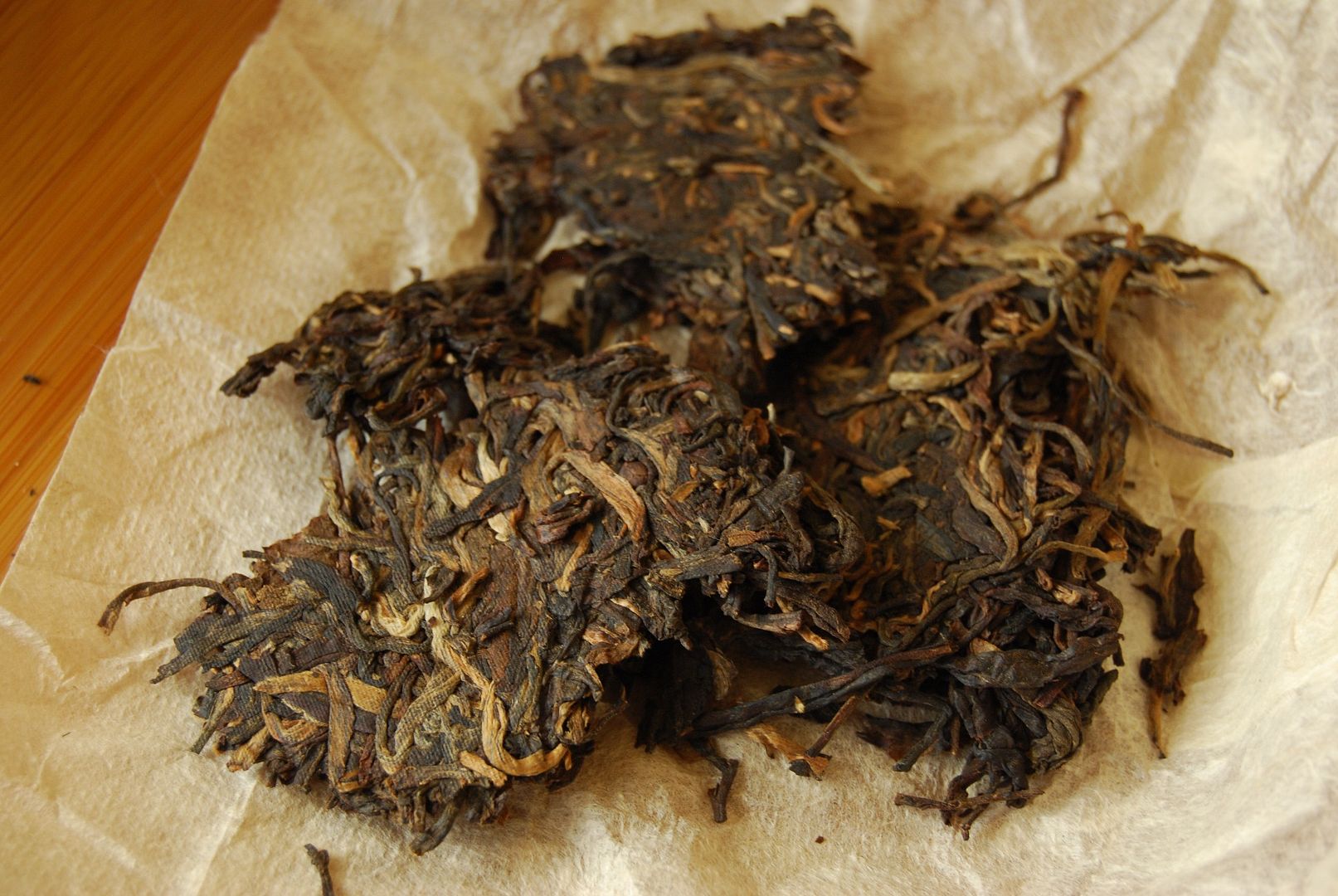
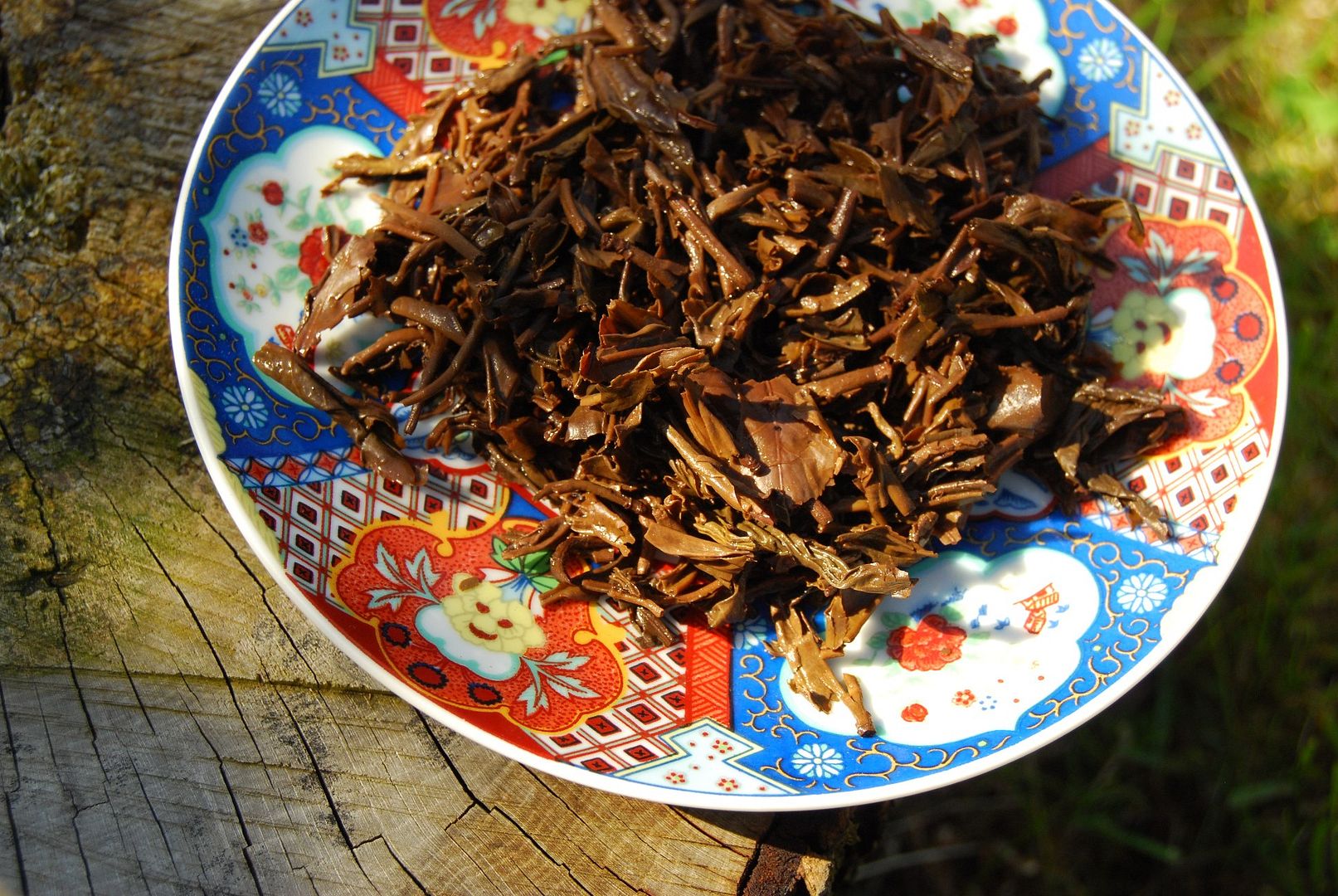
This is the 2002 Smoky LEE from Pu-erh.sk.  I love the capitalisation on LEE, which causes me to bellow the final word to myself, in my mind.


The Ponzi scheme is often used to describe this situation: there is no real value in the system, and it is propped up by one person making good on the situation of a larger number of other people.  Those people, in turn, can make good by having their own number of dupes.  And so it continues.

I bought this for some time, until I concluded that a Ponzi scheme only works if everyone has the opportunity to obtain a set of duped inferiors.  In a real Ponzi scheme, you are selling a nonexistent commodity to a set of people, which they in turn are each selling to others.  However, in the academic pyramid, this latter effect is not possible.  It cannot be considered a Ponzi scheme, because of this lack of flexibility to spread the risk ever wider.

For some time, then, I considered early-career academia to be like unto indentured servitude.


At 53 Eurobucks, this is a decent-value cake.  It has been stored in Guangzhou, and has maocha from Jiangcheng in Simao.  The rustic stems and (of course) bits of Chinese hair really emphasise the lo-fi nature of the cake.


It felt as if one would strive (and strive and strive) and, eventually, one might work up sufficient good karma to be made a freeman, which is to say be promoted to the top of the pyramid.  Put in sufficient effort, and freedom was attainable.

However, this analogy is equally as ill-fitting as that of the Ponzi scheme.  I have seen in those who have gone before me, many times, that there is striving aplenty only never to result in attainment of the ultimate reward.  There is no guarantee that hard work (and perhaps even genius, in some of their cases) would translate into being granted their (academic) freedom as their own independent, permanent researcher.

So, the indentured servitude doesn't cut it, either.

What, then, is the life of the early-career academic like?


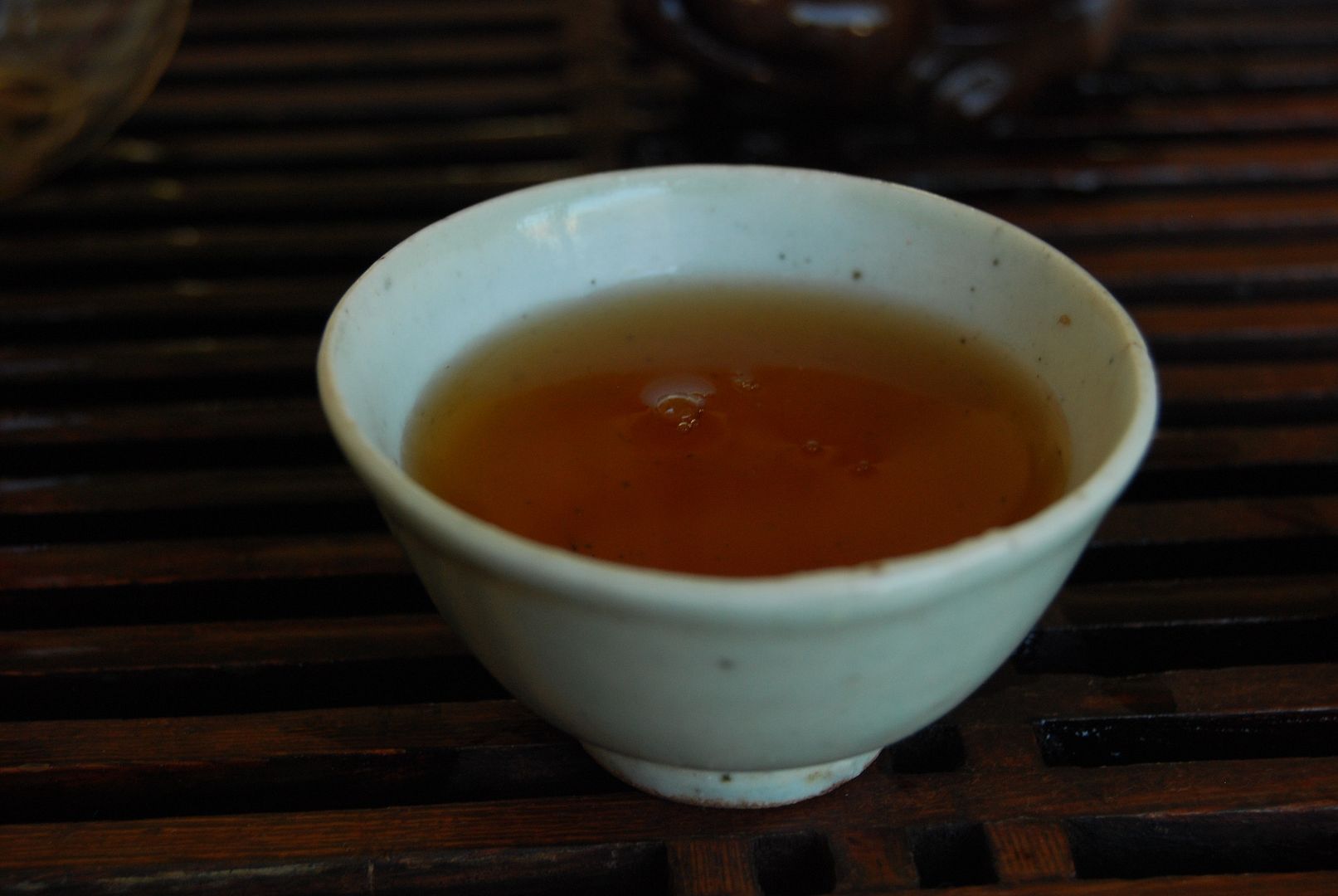
It most obvious first impression is (quelle surprise) sweet smoke.  Its purity is remarkable, in that it has no cloudiness at all.  Thick and satisfying, the smokiness diminishes with each infusion, as does the memory of all of that Chinese hair in the maocha.  Perhaps the smokiness is an acquired taste but, as a lover of lapsang souchong, it is a taste that I have acquired.


The title of this article gives you my conclusion: it is none other than the Game of Thrones.

When you play the Game of Thrones, you win, or you die.

And there we have it.  After a certain point, everyone in the game is at least competent.  Incompetence tends to get weeded out earlier on in the process.  By the time you hit the main action of the pre-tenure game, everyone has proven themselves in battle.  Everyone is pretty good at what they do.  Everyone has a campaign or two under their belts.  Everyone has their own code by which they live, their own manner of operation, their own networks of informants and bannermen.

So what is it that makes the difference?  It's a good question.  There is no winning formula, and every early-career path is different.  Some mixture of ability, ruthlessness, patronage, knowing the rules of the game, and sheer willpower is often present.  However, Game of Thrones also teaches us that:

Gold wins wars, not soldiers.

It is a truism that cashmoney really makes the difference in the early stages (and perhaps all stages) of academia.  By this, I mean the sheer quantity of hardcore currency that one's research activity has attracted to date.


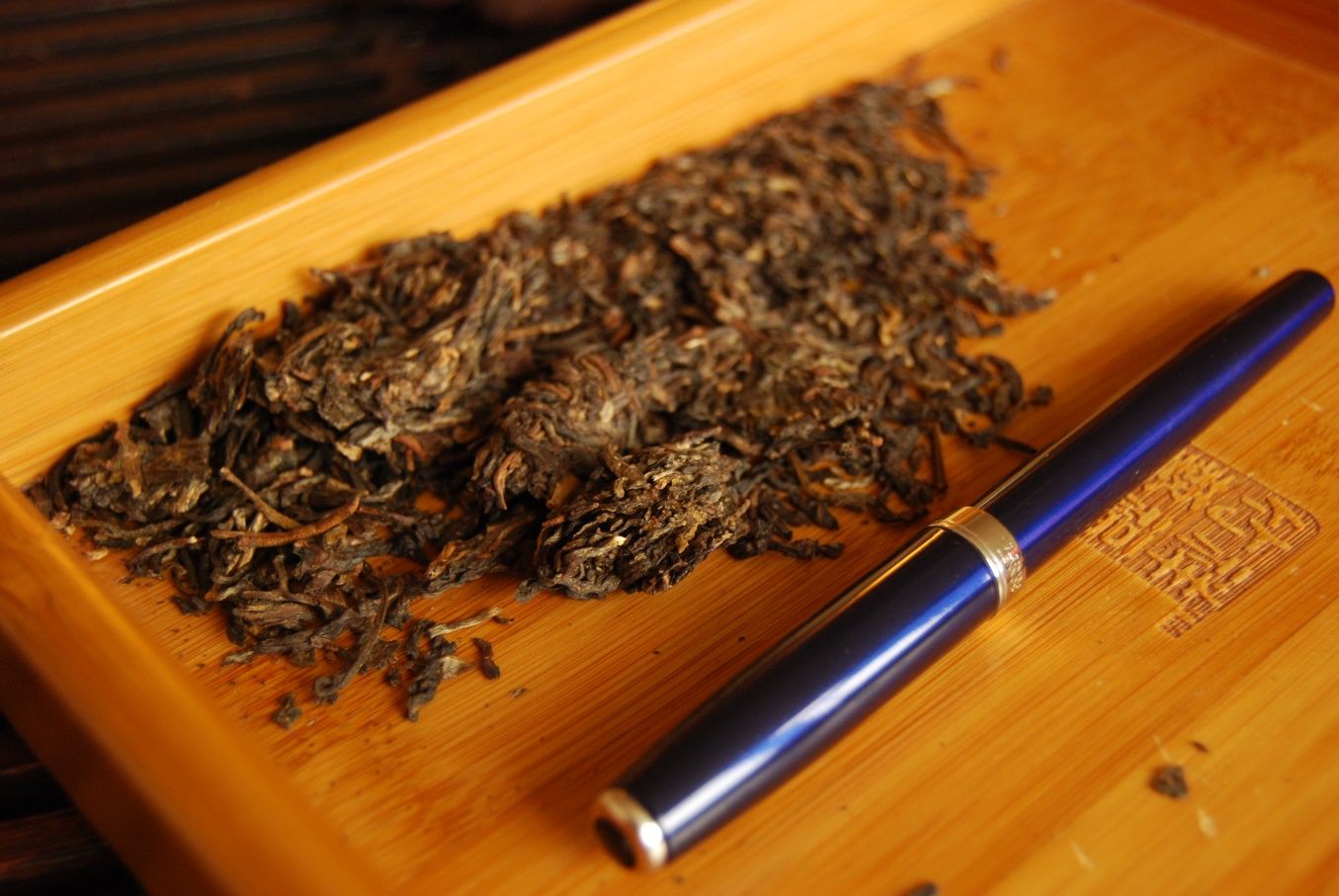
This is "Like 7542", and has just been released for 44 Merkeldollars at the Pu-erh.sk web-site.  It has a similar recipe to Menghai's mighty classic, and was stored in Yixing town.


This is not quite so bizarre as it sounds, as depressing at it might be.  Academic work is notoriously hard to "grade" outside one's own narrow field.  What is good research?  It is very difficult even for one's own university to answer that question, let alone ask people from outside.  In the absence of a set of realistic answers to that question, there are a number of proxy quantities: impact factors for journals, the number of citations one's work has attracted, etc.  However, even these vary tremendously from subsubdiscipline to subsubdiscipline.  It really is extremely difficult.  If everyone is at least good, how do you tell who is worth tenure, given that notorious variability in metrics between the tiniest differences in research fields?

Hence, shades of green is one means of determining some sort of proxy.  If a researcher is good, they have probably done good work, and that has probably been recognised by that researcher's peers, and they will have returned good reviews of, for example, academic grant proposals.  I note with some amusement / dissatisfaction that success with big grants tends to be followed by recognition.

Whether or not this is healthy is a different question; whether or not it promotes low-risk research that plays well to reviewers' expectations likewise.  It's not right, but is it OK?

The comic irony of this situation is that in many academic institutions, my own being one of them, one cannot write grant applications until one has achieved a permanent position - and attaining a permanent position is very difficult (arguably impossible) unless one has achieved success in research, by which accumulation of successful research grants is the oft-used proxy.

It is the perfect catch-22.


There is a (very) faint scent of sweetness about the small, dark leaves which certainly look the part of 7542.


Just like the real Game of Thrones, the truth of the situation is that it isn't all this bad.  After all, "if golds wins wars, not soldiers" then how come Robert Baratheon (a soldier) is king, whereas one of the Lannisters (a wealthy noble house) is not?

There are other ways to play the Game, and these vary so substantially that they provide the lack of certainty that exists in early academia.  Some of these actually include excellence in research, which is heartening.


Interestingly, the thick Chinese hair in this tea (there is always thick Chinese hair) is not black - rather, it is entirely white.  I imagine an ancient sage processing this cake, between cigarette breaks.  The flavour (of the tea, not the hair) is warm, and perhaps a touch malted.  It has welcome strength at the back of the throat, and I am pleased to feel that it stimulates the tongue.  This cake feels quite lively, and is noticeably mouth-watering.  Its body is reasonably solid; it tastes like a decent little-factory cake made from quite strong leaves.  There are no points of immensely substantive interest, but the whole is pleasant.


Now I'm not saying that university turns everyone into Machiavelli, but (!) it is instructive to observe the changes that take place between your average human on entering the Game (let's say at graduate student level, to read for a doctoral degree) and leaving.

New grad students are awesome, typically.  When they arrive, they can be rough in manners and tread on everyone's toes with big voices and clumsy natures.  Usually within one or two years, this has changed dramatically.  I see it every year: they become finessed, and it is a change that you can almost see occurring before your very eyes.

The game is playing them.


NOT FOR SALE JUST FOR FUN.  I knew a girl like that once.  This is a 2010 7542, and it came to get down.


How does it end?  It ends the same way it always ends...


The little leaves are surprisingly dark, but then I realise that this 2010 cake was made half a decade ago.  There is the reassuringly fishy scent of bone fide Dayi.  It takes a few infusions to open, but the result is sweet density on top of all that opening fishiness.  The character in the mouth is strong, and it endures particularly well in the throat.  I am as impressed as I am captivated.  It has a sharp, rosewood edge.  It wakes me up, and comforts me.


You win, or you die.


is that pink paint
dripping from the parked car
old cherry blossoms

04 July, 2014

DO NOT READ MY WEB-SITE

Such was the e-mail that I received from twodog2, a modern-day "Dashan" and proprietor of legendary tea outfitters, white2tea. This pertained to a particular tea, named "2002 White Whale", a sample of which he had recently sent me.  Call me Ishmael.

I resisted the temptation to READ HIS WEB-SITE, and instead sat down to the tea-table with the sample. After one infusion, I had sent him a simple e-mail containing only the following.


I think we might perhaps end the article at this point, for there is no need to go on - everything that needs to be said, has been said.


Let us suppose, however, that you, Gentle Reader, wished for a little more of the informations. Were you to find yourself in such a position, I would describe this little (100g?) brick in some detail.

First, the wrapper. The "first bite is taken with the eye", after all, and here we have a wrapper that reminds of Mr. Scruff during his classical period. This is a very positive association - I recall that my dear wife and I had our engagement party at a Mr. Scruff gig. There was even, in the corner of the nightclub, a "tea corner" serving actual tea.


Denuding the brick of its wrapper leaves us with the image shown above, in which we have some amorphous collection of weeny leaves in reasonable condition. They are quite dark, but they are not your usual zhuancha mulchy devilsputum. They have a scent, which is clean and sweet, if a little distant. First impressions remain favourable for a brick.


It is, however, when the tea is poured out of the pot in the first infusion that the provervial sh** gets proverbially real.

It releases our inner Samuel L. Jackson. Before long, I am stood proudly astride my chair, shouting lines from Pulp Fiction, and banging out a missive to Mr. twodog2.


Were I to indulge your eye for detail, Gentle Reader, I might point out that this tea has a heavy, sweet, and long-lasting initial scent that lasts in excess of 1.0 Terran minutes. The soup is clear, and, as you may surmise, heavy orange. I would then go on to point out that this little badboy is sharp, woody, clean, and sweet. Its duration in both mouth and throat is first-class, while it leaves behind the welcoming characteristic of rancid pine - in a nice way.

Were you to press me for further details, I would observe its smooth body and hint of wildflowers; I would describe it as "full" and "accomplished", and that its quality stands out from the herd like a tall American male in the middle of downtown Beijing. I might even stoop to the use of phrases such as "superfly" and "TNT every time my fingers touch brain".


Then, Gentle Reader, we would consider the price. We would, now feeling permitted to READ HIS WEB-SITE, log onto white2tea.com and note that this shockingly potent little warhead costs just 15 (fifteen) American dollars. We would, consequently, immediately order 25 of them, thereby purchasing the 2.5kg tong equivalent in which my soul seems to trade these days.  My laboratory is currently filled with the little charmers.

Gentle Reader, in closing I would state that, if you have a soul, and if are not an empty husk of a man subsisting on hatred and bitterness alone, then you, too, might enjoy this little tea.

Actually, even if you are an empty husk of man, subsisting on hatred and bitterness alone, then I would hazard to estimate that you will probably find this tea enjoyable.

In the words of Jules Winnfield, "...that's all you had to say".


Edit: this seems to jump in and out of "in stock" and "on backorder" at white2tea suggesting that stock numbers are draining and being replenished.

04 April, 2014

In the Middle of It All: Some Yibangshan

I was going to write "I am struggling to come to terms with being a father", but that is incorrect.  I have almost entirely come to terms with it - merely, I remain amazed by how significantly and irreversibly my life has changed.  In the middle of this week-end, filled as it was with trips to the circus and birthday parties for three-year-olds, a tea from The Old Country* came as a vivid reminder of a person I used to be, and a place where I used to be from.

*East Anglia


I like to think that life is a work-in-progress, and that our characters are blocks of stone on which we continue to work.  Every day, a little tap here, a little chiselling there.  With me, an awfully large amount of work still remains, but some small degree of progress is being achieved.  Sitting at the tea-table gives me a little continuity to those times past, which is very welcome.  Sometimes, I am reminded of how massively embarassing some of previous actions were; sometimes, I am comforted that, at least, they are happening less regularly now.  Sometimes, I shake my head and think that I will be forever doomed to repeat the past, rather than learn from it.  You can get quite a lot out of a cup of tea and a diary, I have found.


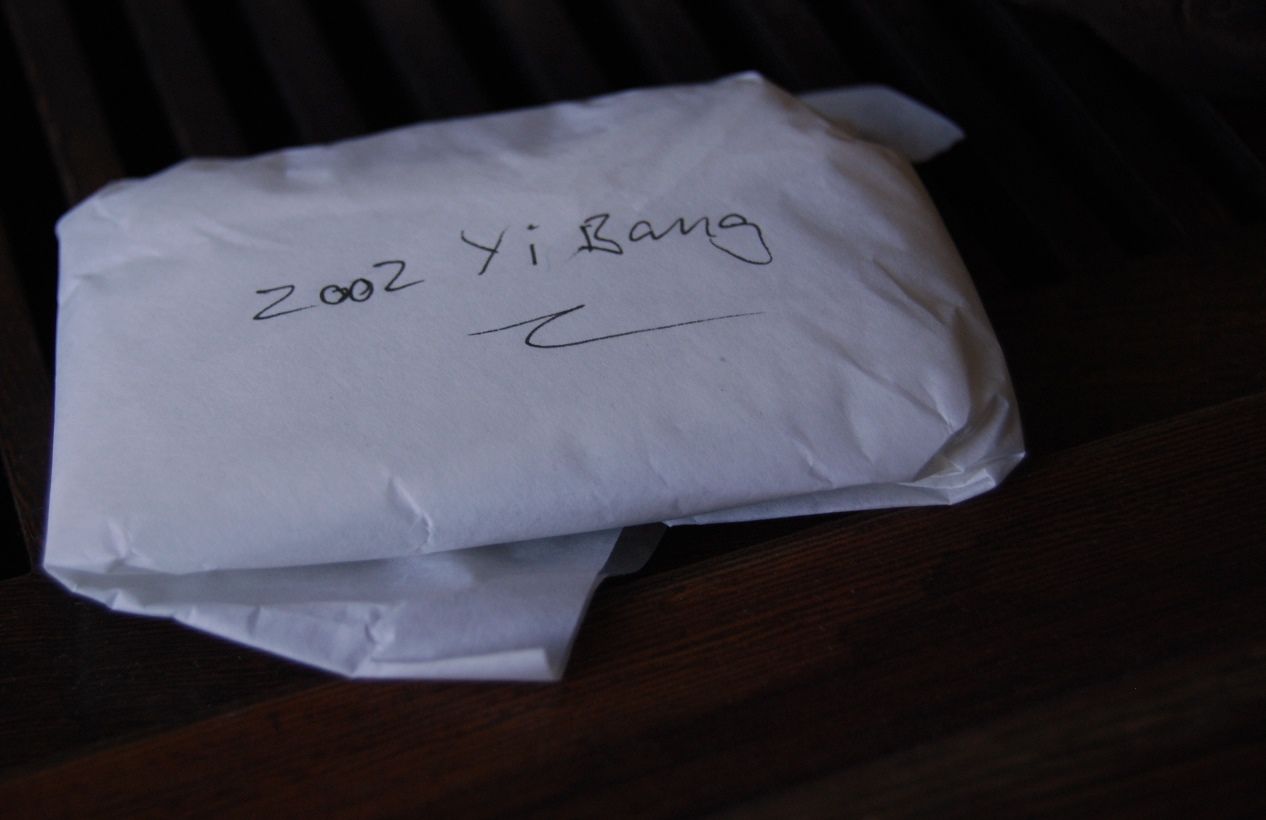
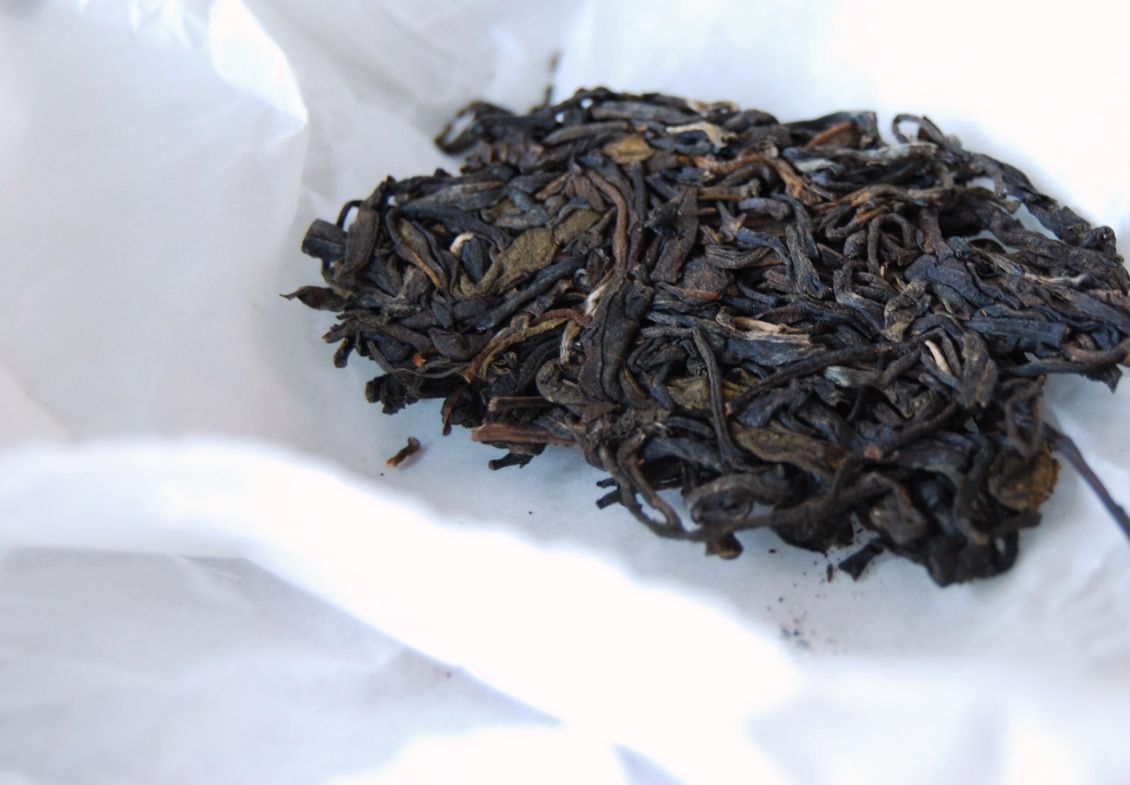
My friend from The Old Country, TG, keeps me in good tea.  These charity parcels typically arrive in small quanta, as pictured above, and are always enjoyable.  Some are grand, some are humble, but all are worthwhile.  This particular tea is a 2002 Yibangshan cake from Chawangshop - although it seems that this may be no longer for sale, and so I know little more of it than its name.


I am a little surprised that a tea from 2002 can be reliably determined to be from Yibangshan; I was under the impression that explicit recognition of maocha from this area came later.  Perhaps I am wrong - it would not be the first time.

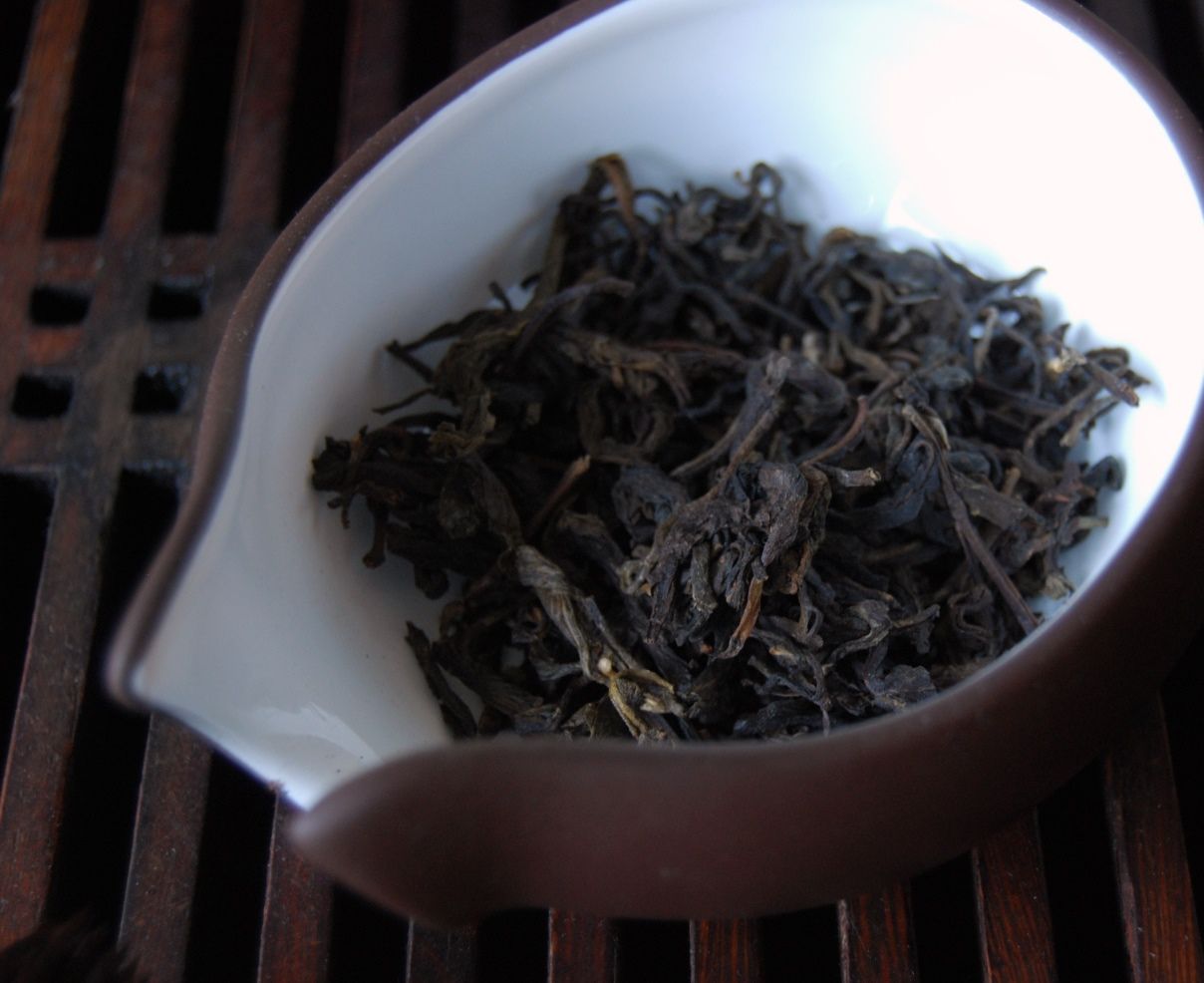
Examining the dry leaves above, you might be impressed - they do indeed look rather tasty.


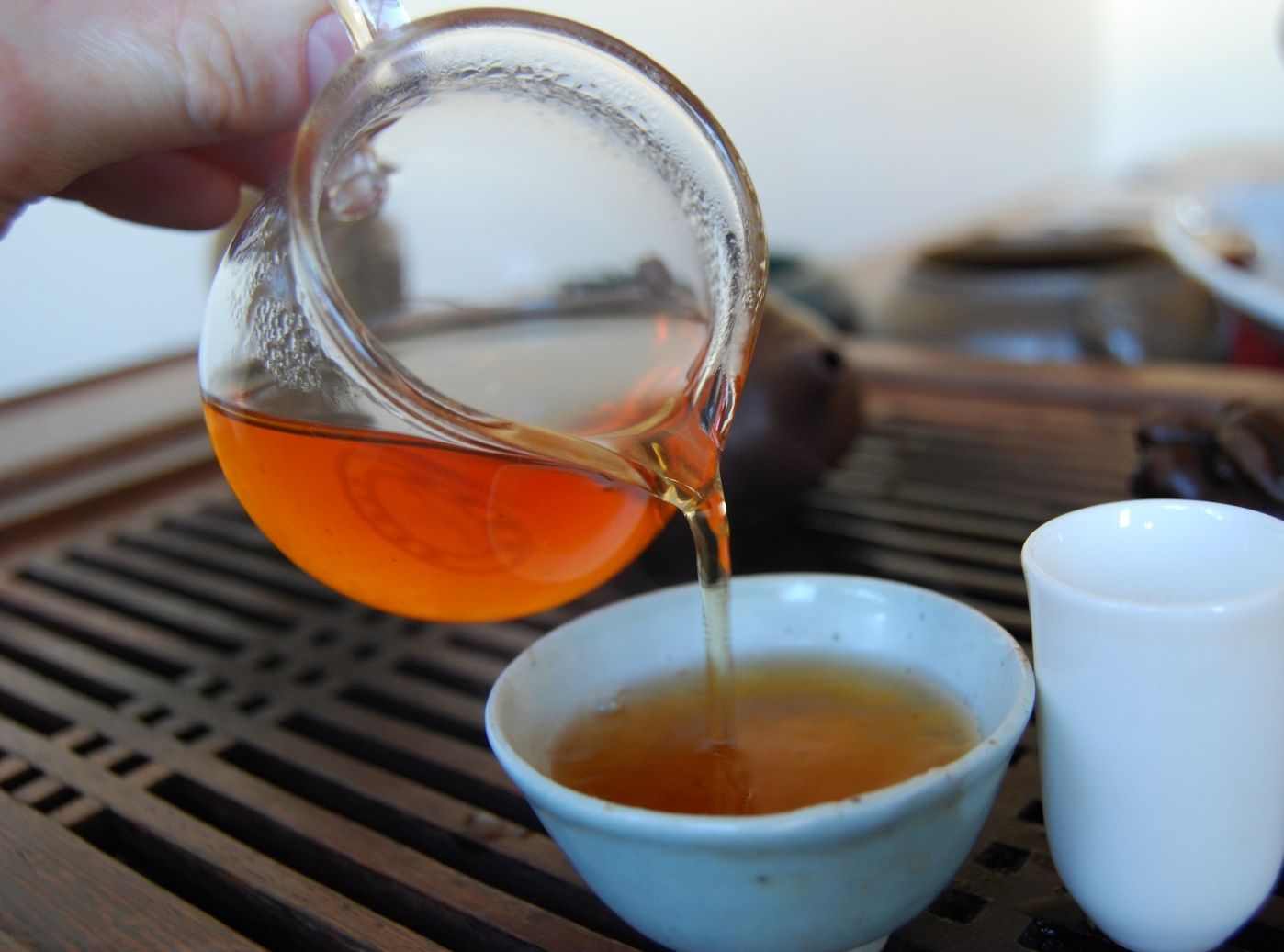
The picture above tells you quite a lot about this tea: it is believably 10-12 years old, from its colour.  The body is strong and its finish is pinelike - that is, sharp and somewhat woody.  Lots of teas from this region are destined for sharp pinewood, I believe, which is fine as long as you know what you're setting into from the outset.

There is an absence of scent in the wenxiangbei [aroma cup] and this carries through into the cup, where the tea is almost entirely expressed in that sharp finish.  The storage has been clean, and that summarises the tea quite well: clean, sharp, orange-red.  You can interpolate the remainder from these three observation points, I suspect, with a low degree of uncertainty.


Clean teas such as this may be brewed hard, and so hard is how I brew it.  This Yibangshan example benefits from being overbrewed, I think: the pinelike sharpness works backwards from the throat, if it is overbrewed, and begins to fill out the main body of the tea.

It was an interesting session, as always, for which I owe TG my thanks once again.  Perhaps the best outcome of the session was the time with the diary, which is always illuminating.  I have been a regular diariest since the age of 18 (and am now in my thirties), and this continued spillage of ink is merely because the act is tremendously useful to me - I heartily recommend it.  Grab a strong Yibangshan, a book, and a pen, and see how you get, Gentle Reader...

17 January, 2014

An Englishman in New Borneo

For an island that has actual tea plantations, the tea available for actual consumption in Borneo is baffling: the locals drink it extremely dilute, usually from low-quality teabags.  Some of them are even "Lipton", which is a dreadful company the insipid products of which I first encountered in the USA.  It's like going to Beaujolais and drinking Blue Nun.  It makes no sense.

I console myself with my notes from a session with a charming tea (a Fengqing tuocha from 2002), kindly provided by ME of South America, that I had shortly before my departure from England.


Fengqing is an old school tea company of the first order.  They have been going approximately since the beginning of time, and seem quite happy to soldier on, churning out uncompromising tuocha while the fads of modern Chinese tea production pass them by.  There is a warm place in my heart for grumpy old Fengqing.


As with all tuocha, we should not expect large-leaf gratification.  ME has kindly provided a big pile o' leaves that I assume he has personally liberated from the iron-like grip of the compacted bird's nest.  The scent of the dry leaves is an appealing sweetness, with a tinge of light humidity.


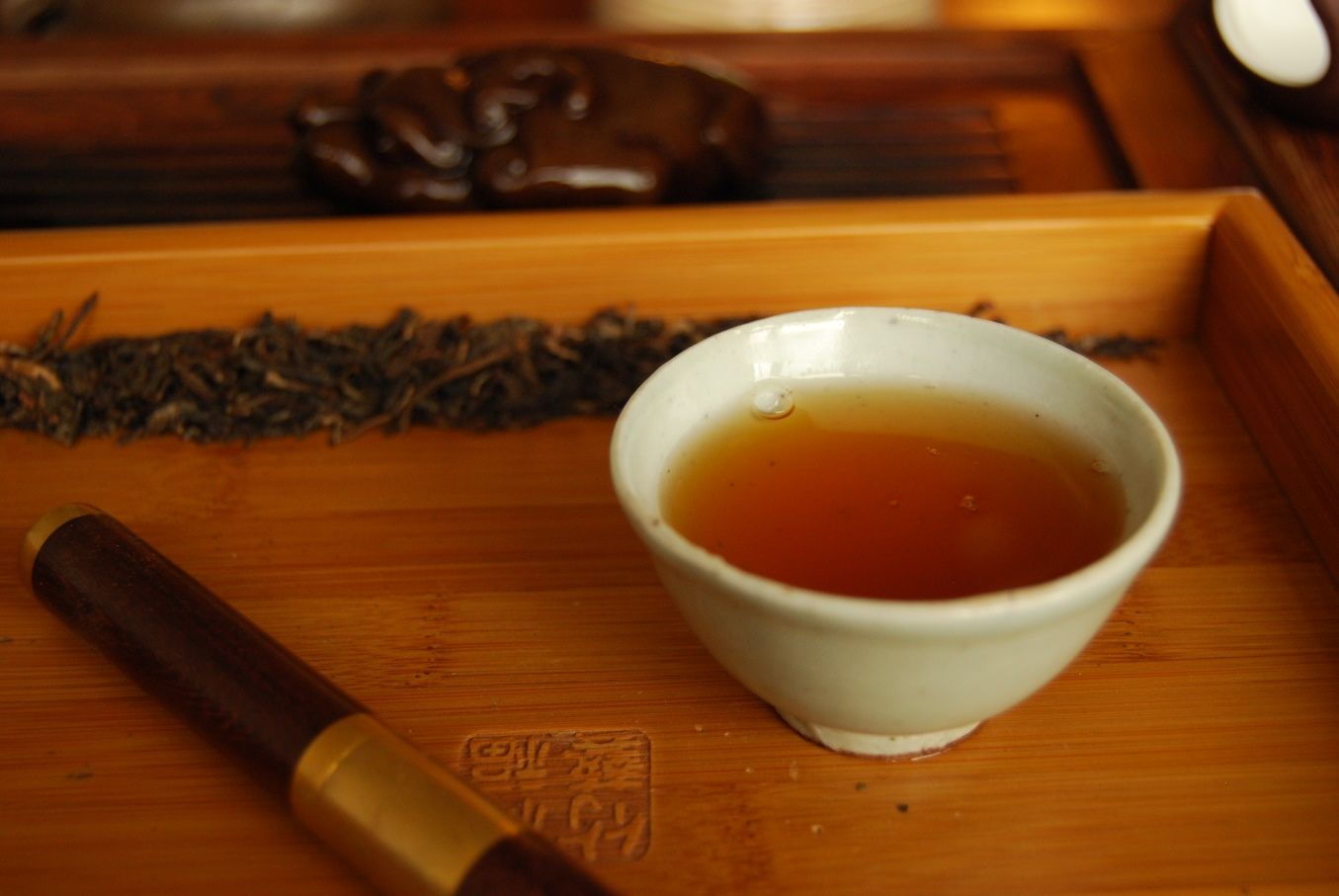
12 years is quite a long time.   In that time, the presumedly yellow soup as was has turned into the heavy orange that we can see in the above photograph.  There is a dense, smoky sweetness about the soup that is typical for basic, strong tuocha of the kind in which Fengqing excels.

This is soft around the edges, probably due to its age, and possesses a solid core of sweetness and kuwei [good bitterness].  I add a dash of extra water from the kettle to dilute its sharpness - this is an unusual step but handy if the tea is accidently overbrewed.  I always get very optimistic / foolhardy with tuocha leaves, and fail to take into account the compression, resulting in the use of far too many leaves.

The result, after dilution by around half of its volume again, is absolutely delicious.  It has the sweet strength of decent tuocha, and cools the mouth with a comprehensive, "all over" coolness.

Its age may also be seen in the manner in which it retains the colour in the centre of the cup, but which thins to a translucent meniscus, as it moves up the wall of the cup.  It is not complex, but it is plentifully strong, quite charming, and lasts for over a dozen infusions without showing the slightest sign of roughness.

Fengqing tuocha: always safe, and excellent when aged a little. Thanks again to ME for the session.

27 December, 2013

Crab's What?

By virtue of the time-tunnelling effect of blogging, while I am writing this on an afternoon in late September, I suspect that my words will have travelled forward in time to be read by you, Gentle Reader, just after Boxing Day.  Though it seems strange to me in September, it will undoubtedly seem quite normal in December, for me to extend to you the season's greetings.  The season of Christmas (the time of reading), that is, not the season of mid-autumn (the time of writing).  Time-travel was always complex.


While nowhere near the Christmas period, I have just finished a session with two samples sent kindly by Tea Urchin some time ago (perhaps in 2011?).  This first cake is a "2002 Lincang", which is all that is known about it - Eugene's pretty web-site doesn't seem to mention it.  It seems to have been a zhuancha [brick-tea], as pictured above.  This is also apparently in the grade of the leaves, which have a homely "leftovers" feel to them.  The scent is sweet, with some age.


"Straightforward and quite strong" is my summary of this Lincang cake.  It has the red maltiness of a few years, but I would be very surprised if this were older than 6 or 7 years old - certainly, the supposed 11 years of aging are not apparent.  Perhaps it was stored in a state of preservation.  What we do have is a bold, uncomplicated sweetness that performs well and gets me ready for the "main act"...


...the eponymous "crab's feet", or pangxiejiao [aprrox. paang-shee-air-djow].


I have rather enjoyed cakes laced with pangxiejiao before.  It is a vine that grows on the pu'ercha trees in the Jingmaishan region, and whose flavour seems to complement that of the pu'ercha leaves with which is is sometimes mixed.  Imagine my surprise, then, when I opened the packet to reveal...


...pure pangxiejiao!  This represents an excellent opportunity to come to know the character of this strange additive that is usually only present in small amounts.  The leaves of this life-form are yellow and green, with a "wrinkled" level of detail that you might be able to discern from the photographs.


The scent of the dry leaves is particularly unique.  I have encountered in only one location before today: the giraffe enclosure of the zoo.  The leaves have that blend of hairy, rich, and definitely animal scents that occur only in giraffe enclosures.


The soup, as you can see below, is a watery yellow-green.  I was wondering if this might make it rather tasteless, but the character is quite obviously not at all weak: it is creamy, thick, quite sweet, and tastes remarkably close to Jingmaishan's lanxiang [orchid scent], perhaps because of its growth in close proximity (well, crawling up the bark of the tree).  It is tangy, cooling at the back of the throat, and enduring in a way that few teas can achieve.  Quite surprising is its overall effect, and really rather nice, it has to be said.


You may not have received any pangxiejiao in your Christmas stocking this year, but I do recommend trying some should the opportunity arise.  My opinion of pangxieojiao has entirely changed from "novelty" to "pleasant addition".  Heaven knows how it ages, but the immediate character is rather fascinating.

19 August, 2013

Battling the Elven Hordes

I used to read Tolkien when I was a teenager.  I played Warhammer.  I played Warhammer 40,000.  I played AD&D.  Yes, I owned a d20.  I had a range of model paints with colours such as "Chaos Black".

So, you can imagine my delight when a teafriend from Singapore by the name of Elvin came to write to me, sending a batch of extraordinarily tasty goods.  I imagine this particular teafriend with slightly pointed ears, moving stealthily through woodland groves, wearing a cloak of invisibility.  His chadao knife probably has the name "Grymthir" or "Orckiller".

Even the packets in which the samples arrived reminded me of lembas waybread from The Lord of the Rings...

"One small bite is enough to fill the stomach of a grown man."


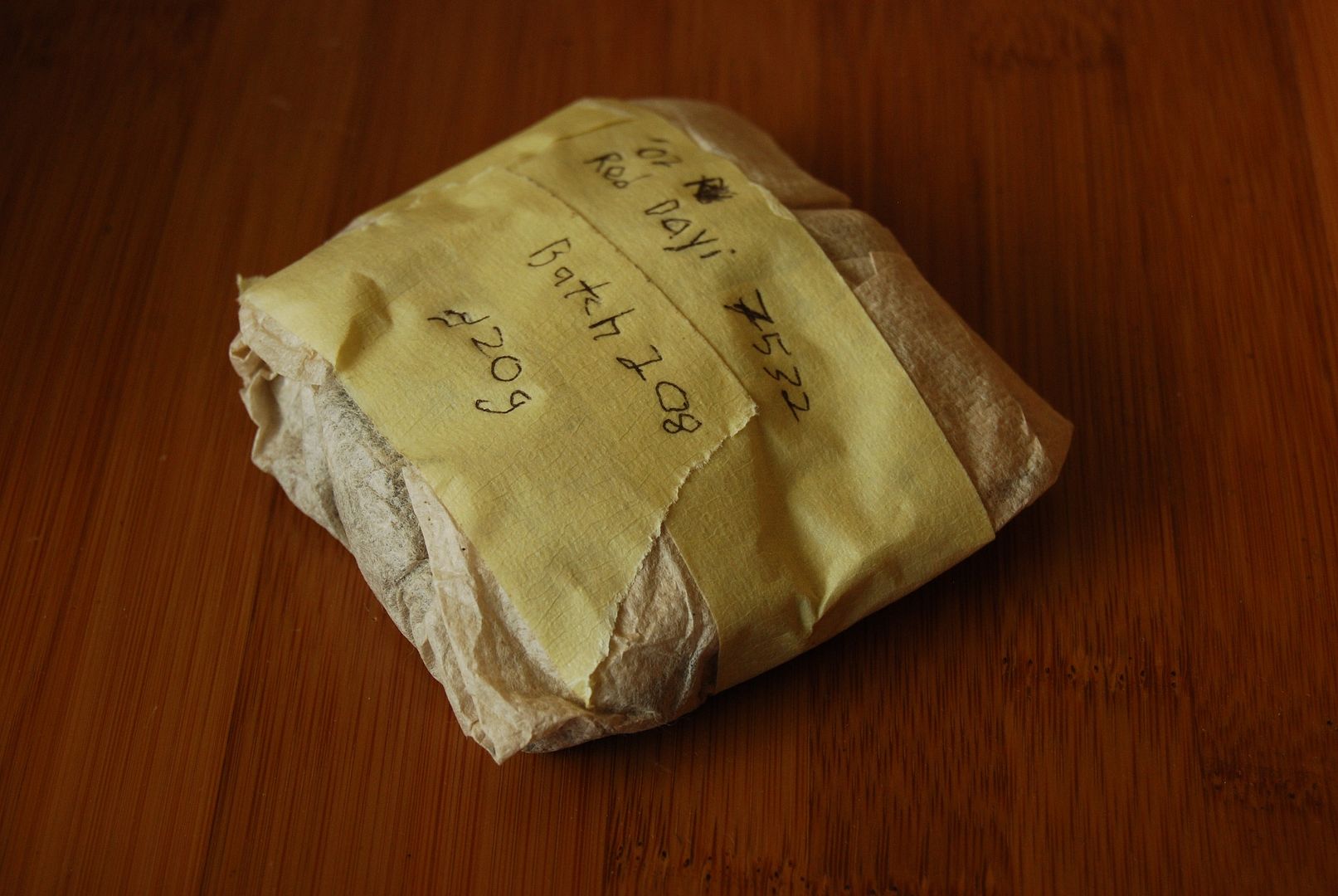
"Red Dayi" 7532-208

These two particular teas were reliable stalwarts, to which I fled in terror following sessions with particular unpleasant young shengpu (which shall remain nameless).  In each case, Elvin's teas fortified me like lembas and reminded me that pu'ercha should be delicious.


7532 is a pretty-looking member of the Menghai family, in my opinion.  It has some glamour, and probably drives a car that is far too ostentatious.  As pictured above, the leaves tend towards the small-to-medium sizes.  When the warm water hits the leaves in the pots, it releases a scent which makes me recall the immortal words of  RZA, "That's how you know it's on."

Suddenly everything is good in the world, and the memory of the shockingly bad young shengpu from the previous sessions is instantly erased.


This warm and comforting classic has the spiced character of good tea, aged somewhere warm and humid.  Singapore is good for tea.  This particular example is solid, and imparts a vibrancy in the mouth which is entirely different to the immediate, gripping numbness of the pesticide-soaked shengpu that I just fought.


Every aged tea is an education.  Every data point demonstrates something new, and this is one of the (very many) reasons that I enjoy pu'ercha quite so much.  In this 7532, we have the residual deposits of its initially floral nature, retained in the nose, but tempered with time.  Evolution of personalities is a subject that I find infinitely fascinating, for it is something in which we each have a stake: whether they be the evolutions of our own characters, those of our sons, or those of our tea-cakes.


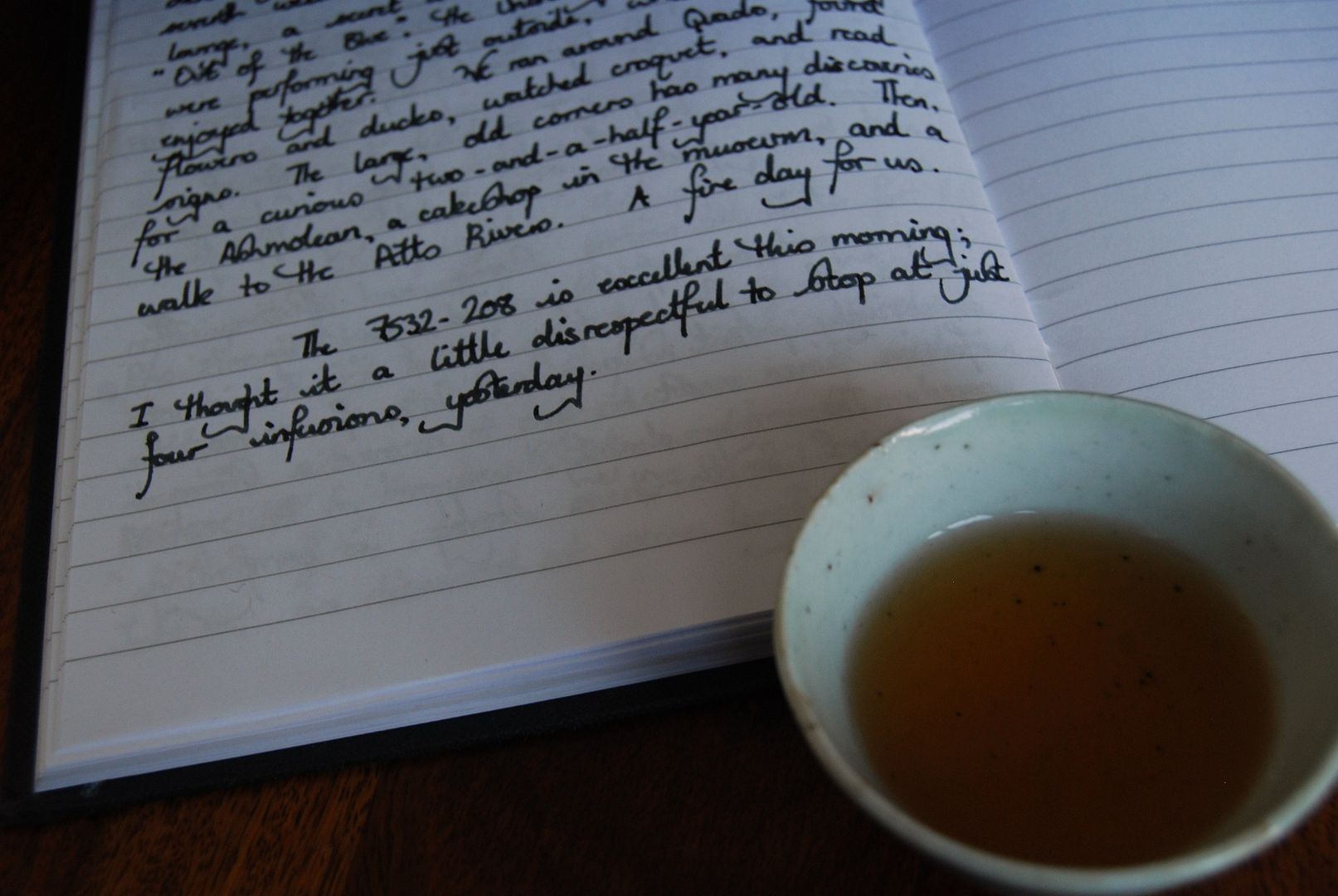
My journal page above may give you the hint that this tea was so good, in fact, that I had to spread it over two days: to abandon it after a single session, and not to return to it, seemed something of a sacrilegious act.

(Old) Dayi cakes are famously sturdy.  Even this eighth batch of 2002 (the "208") is fine indeed, suggesting that the stability of Dayi across multiple flushes is retained.  My general rule-of-thumb is to buy as close to the first batch as is available, given that the youngest (and usually strongest, most potent) leaves occur at the beginning of the year's production cycle.

That said, while it is woody, with a good base of solid pine, it rapidly requires longer end-to-end brews, whereby the next infusion sits in the pot while I enjoy the current infusion.


"Reliable" is Dayi's by-word.  While the price of more recent cakes has gone through the roof, they used to be very humble in pricing, and consequently worth keeping around on one's shelves.  Perhaps the prices will return from the stratosphere once market forces return to something resembling the "norm" over the past few years.


Following another shocking session with a to-remain-nameless young shengpu, I again turned to Elvin's sack of redemption.

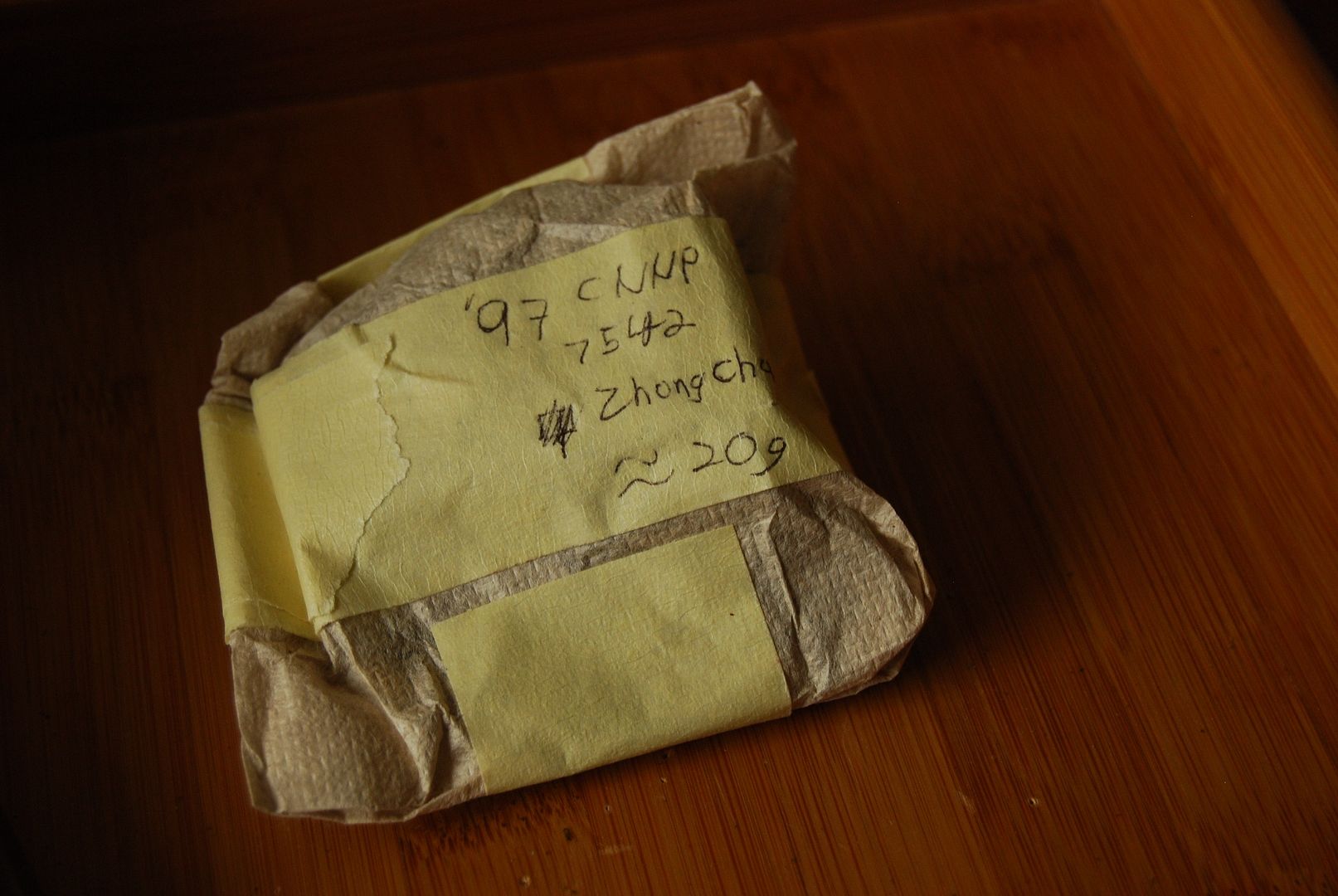
This time, it was the 1997 7542 - as reliable as it gets.


Another day, another bag of lembas, pictured above.


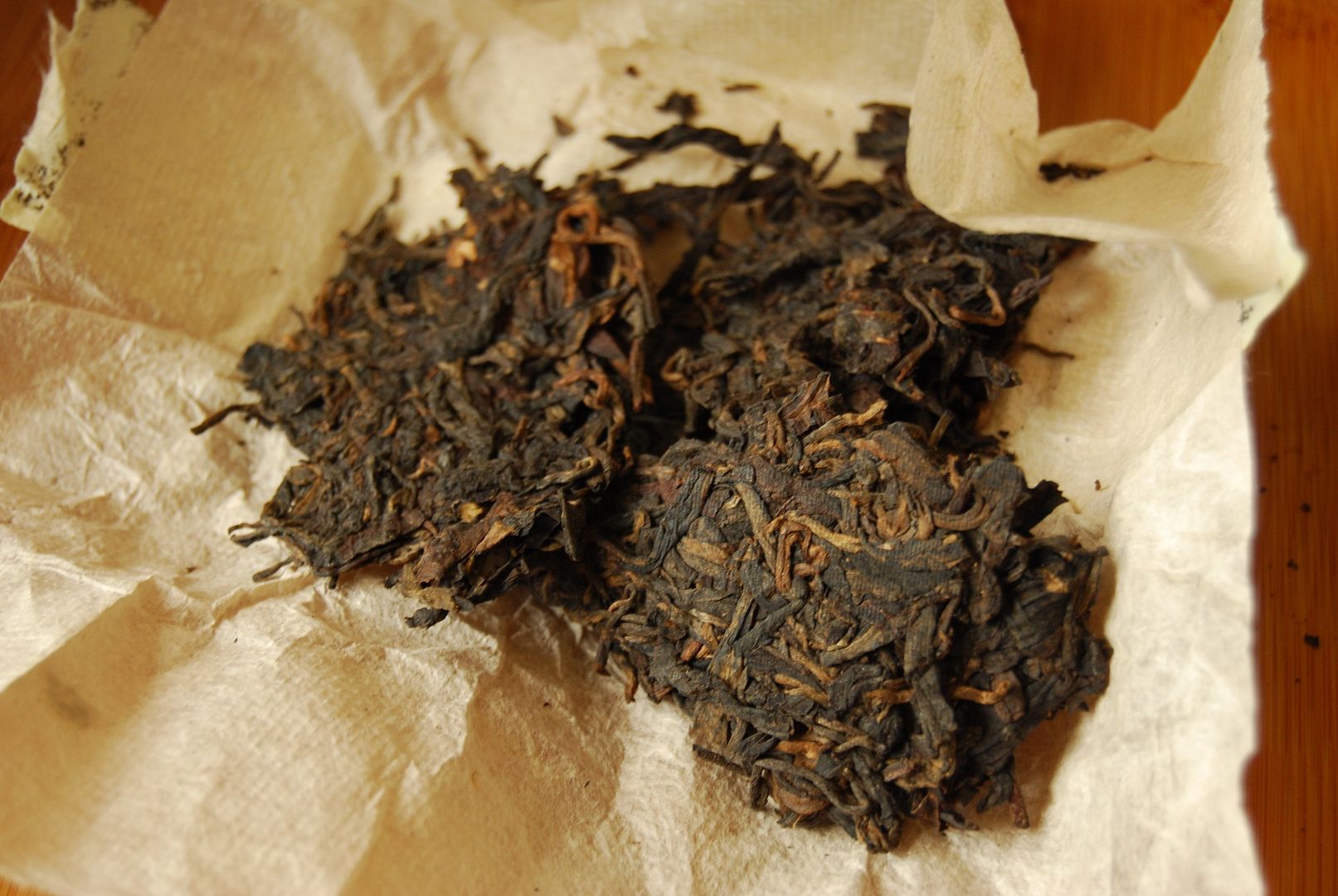
7542 is not pretty.  It was, dare I say, smacked with the Ugly Stick when it was young.  However, it tends to age nicely, given its youthful vigour, and we can all hope for such forgiveness of our difficulties as we age.


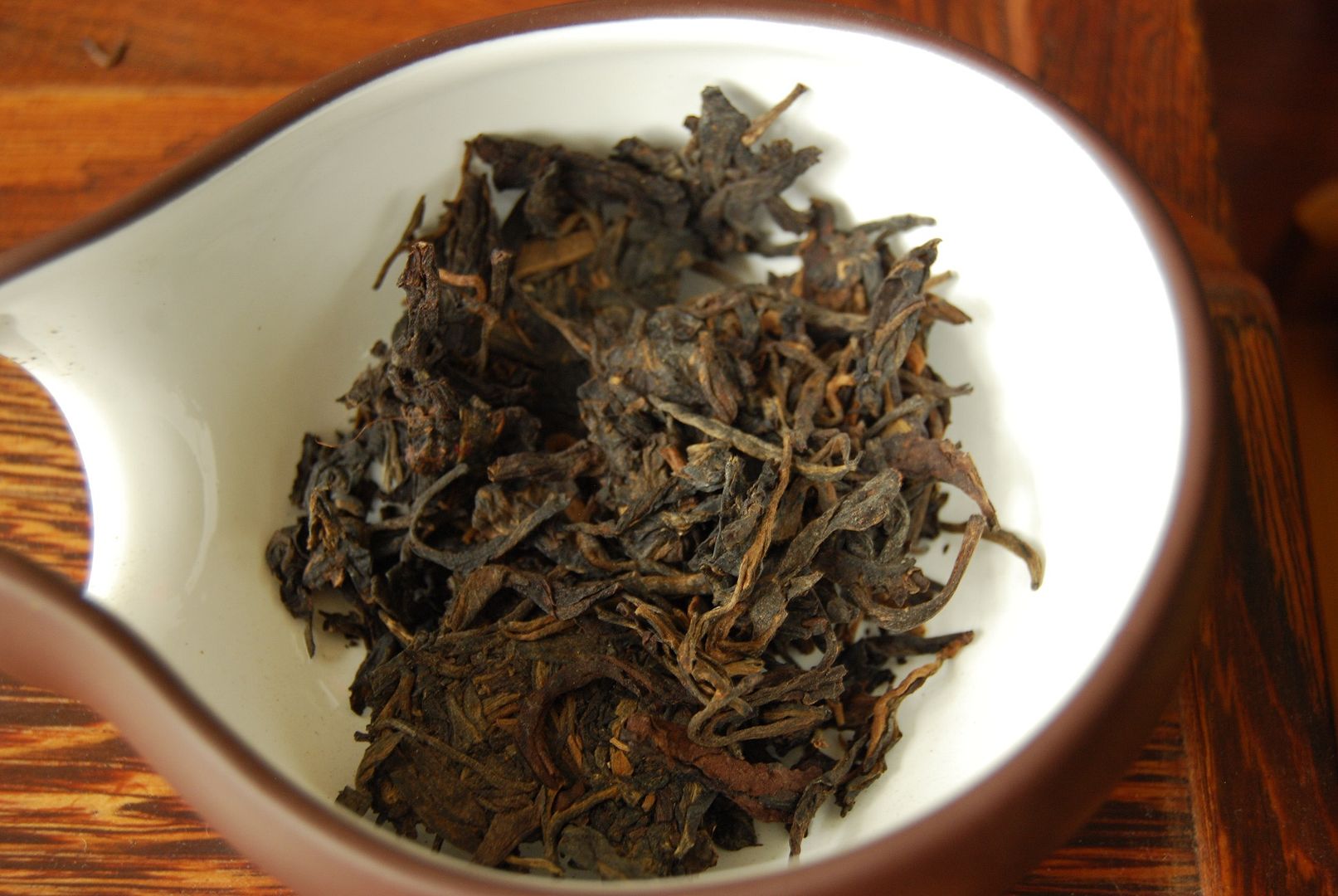
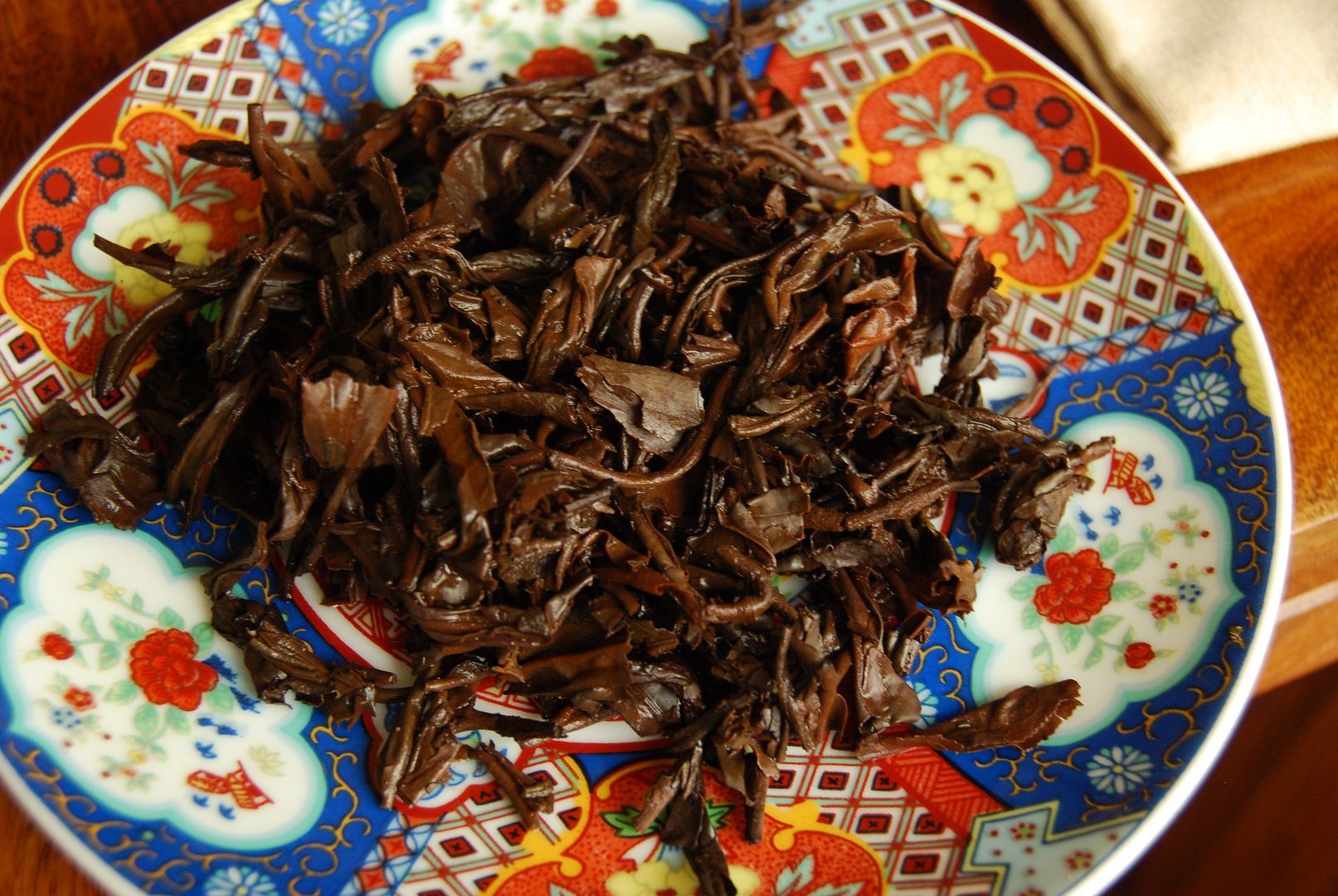
Examining the photographs of the leaves, above, you will be able to guess their approximate age directly from the colour.  Unsurprisingly, the mineral humidity of Singaporean storage hangs about them, promising good brews ahead.


The dense aroma of that tea-scent that I seem to map onto the word "vanilla" is all over this pu'ercha.  In contrast to the 208 described above, this 7542 has plenty of staying power, and its duration suggests that it has been stored well for its 16 years.

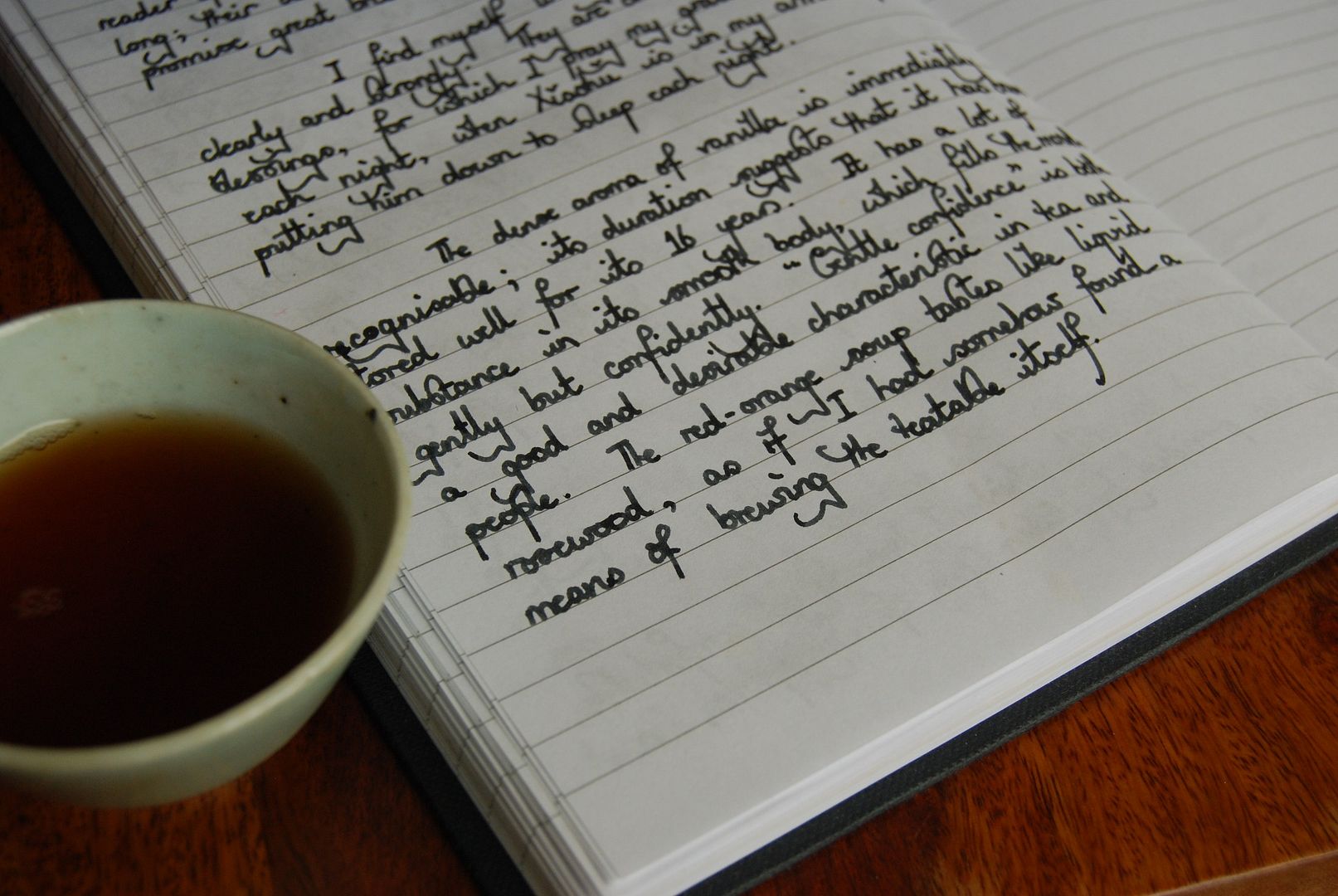
The body is as smooth as one would hope, conveying plenty of substance - the mark of, in my opinion, a tea that has something to say.  "Gentle confidence", I have in my journal, pictured below, which is a fine characteristic indeed.  This tea has mellowed with the years, but has a spine of iron.

"The red-orange soup tastes like liquid rosewood, as if I had somehow found a means of brewing the teatable itself."


The dense vanilla sweetness, with the scents of mineral sharpness, grants me the comfort I seek.


"This is tasty!  Tasty!"

My dear wife seems to like this one, and I can only agree with her enthusiasm.

We both raise a cup to Elvin and his charming gifts.


Addendum
May, 2015

Deeply satisfying, this is the scent of "real tea".  It fill the throat, and stays there, with heavy rosewood sweetness.  It is not complex in original flavour, but age has made it so.  The orange-red soup brings a sense of peace.  What more would one require of a tea?

29 April, 2013

The ODB

ODB: that oh-so-talented member of the Wutang Clan had his good name co-erced into referring to the Baoyan brick, made by Xiaguan, for reasons that may be obvious.

Baoyan is an interesting tea, which became even more interesting recently when we undertook a clinical study in Tibet.


2002 Baoyan
This sample kindly provided by Bannacha


The study was to attempt to drive down hypertension among the Tibetan elderly by (i) reducing salt intake and (ii) stopping smoking.  Both of these were very difficult for different reasons: the latter is difficult for everyone, given the addictive nature of nicotine.  The former is difficult given that elderly Tibetans love them their Baoyan.  The hitch is that they add salt to their Baoyan in huge amounts.  Their Baoyan is laden in salt.  This causes hypertension, and leads to unpleasant consequences that we and they would like to avoid.


2002 Baoyan


The manner in which removing the salt was achieved was interesting: Tibetan households in the villages that we studied typically had a large container of Baoyan bubbling away from the start of the day, to which copious salt was added.  We simply provided a second container, to sit next to the salt-laden container, which contained no salt.

It took some acclimatisation, but arguments about long-term health generally seem to have overcome the obstacles provided by habit and culture.  In my opinion, the removal of the salt also improved the taste of the Baoyan.

Baoyan (approx. "holy flame" in the Tibetan sense) is undeniably rough, hence the moniker ODB.  However, like the ODB himself, it is innately appealing and tremendously enjoyable.  Zillions of Tibetans cannot be wrong.  (I am unsure of their opinion of Wutang Clan, however.)

I have previously tried the version from 2001, preceding this 2002 version.  In that article, I compared bricks brought from skip4tea (Malaysia) to those from Houde (Texas, USA).  Shown above, the leaves of this 2002 look similar to that 2001 version.


2002 Baoyan


This is why Tibetans love Baoyan: check ye out the colour of the soup pictured above, and marvel.  You can almost taste its hairy, brusque, powdery sweetness, can you not?  Its black flavor from mysterious Xiaguan processing.  Its creamy texture, its robust kuwei, even now, after 11 years.

While Baoyan leaves are notoriously low in quality, they are a mixed bag indeed: shown below, enormous sections of larger leaves can be found among the black mulch.

Here's to more studies in Tibet.


2002 Baoyan


With my desire for rancid darkness sated, I turn my attention to another cake from Bannacha: the 2012 Mangjing.


2012 Bannacha Mangjing
It is possible that this is the cake I drank, if it is the spring version


Mangjing is not a familiar area: it is some short distance away from Jingmaishan proper (in Lancang county of Simao diqu), just to the south of that popular region, but has a characteristic entirely of its own.  Mangjing village is populated by the Bulangzu, following a migration some generations ago.  WO of Bannacha notes that this cake was made from leaves obtained from old gardens, and produced by one Ai Gong.


2012 Bannacha Mangjing


The area, like Jingmaishan, is covered in trees with smaller leaves, as pictured above and below.  The buttery aroma of immediate youth manages to fight its way through a blocked nose, which is testament to its strength.


2012 Bannacha Mangjing


Jingmai cakes are usually "nice", in that they are approachable, and famous for their lanxiang [orchid fragrance].  This Mangjing cake is definitely not like that

This is to its credit, in my opinion.


2012 Bannacha Mangjing

This cake is, rather like the ODB, no stranger to a good punch-up.  It is aggressive and surly straight off the bat, where as its Jingmai cousins tend to prance around like a ballerina.

Strong and grassy, this cake builds quickly, leaving a rather substantial kuwei [good bitterness] in the throat long after the swallow.  The lanxiang is present, far beneath the surface, amusingly enough.


2012 Bannacha Mangjing


Drinking this tea is good exercise, both mentally and physiologically.  Perhaps it is a mite thin and acidic, but it is definitely great fun and something of a novelty.  If you like Jingmai, and are looking for a challenge, this tea looks forward to meeting you.

It might be interesting to see how this tough little beast ages.